What You’ll Learn About Acrylic CNC Service
This guide explains how acrylic CNC service supports custom displays, signage panels, POS fixtures, and precision-cut acrylic parts. It focuses on practical B2B decisions, including material selection, edge quality, fabrication methods, and what buyers should prepare before requesting a quote.
When CNC Cutting Works Best
Learn when CNC cutting is a better choice for acrylic display parts, signage panels, holes, slots, fitting structures, and custom components.
Material & Thickness Decisions
Understand how acrylic sheet type, thickness, edge finish, tolerance, color consistency, and surface protection affect final product quality.
CNC Cutting vs. Laser Cutting
Compare CNC cutting with laser cutting for different B2B acrylic applications, including display parts, signage panels, and OEM components.
Quote Preparation Checklist
See what information buyers should prepare before requesting a custom acrylic fabrication quote, from drawings and thickness to quantity and edge finish.
Factory-Level Project Control
Explore why working with an acrylic sheet factory can help improve material consistency, fabrication coordination, packaging, and project control.
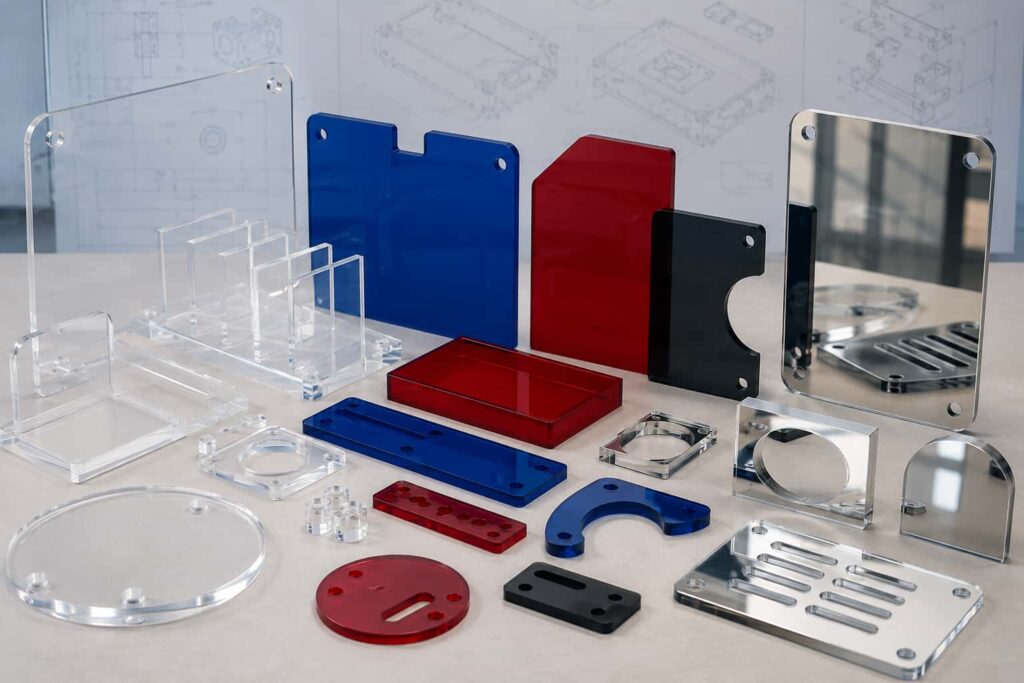
Why Acrylic CNC Service Matters for B2B Display and Signage Projects
Acrylic is widely used in retail displays, POS fixtures, signage panels, brand displays, and custom visual merchandising projects because it is lightweight, clear, workable, and available in many colors and surface effects. But for B2B buyers, choosing acrylic sheets is only one part of the project. How the material is cut, drilled, shaped, polished, and prepared for assembly can strongly affect the final appearance and performance.
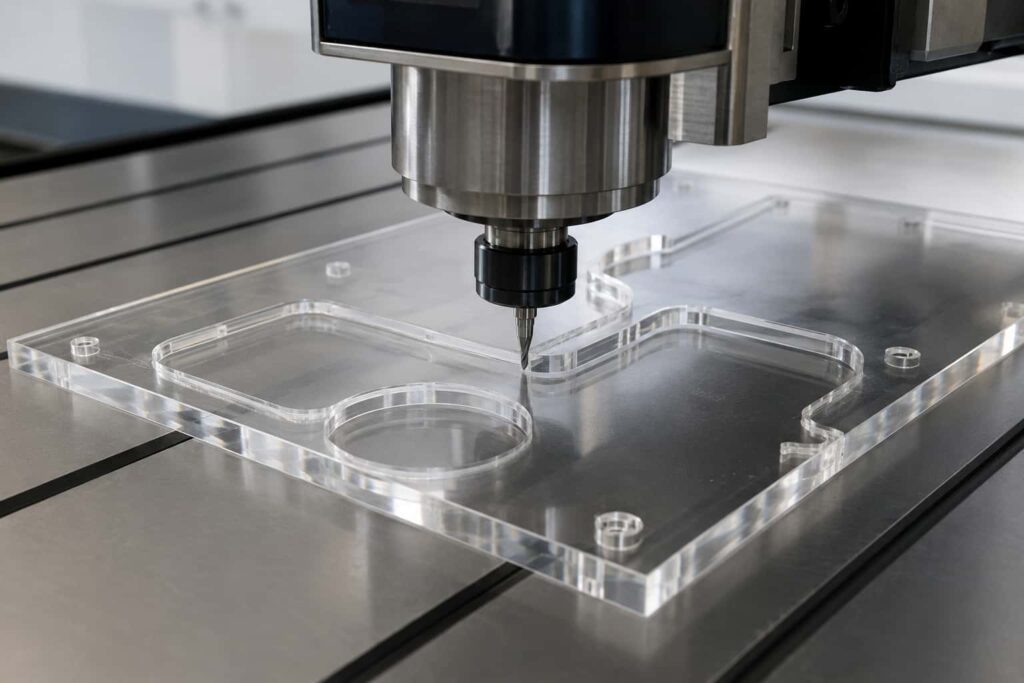
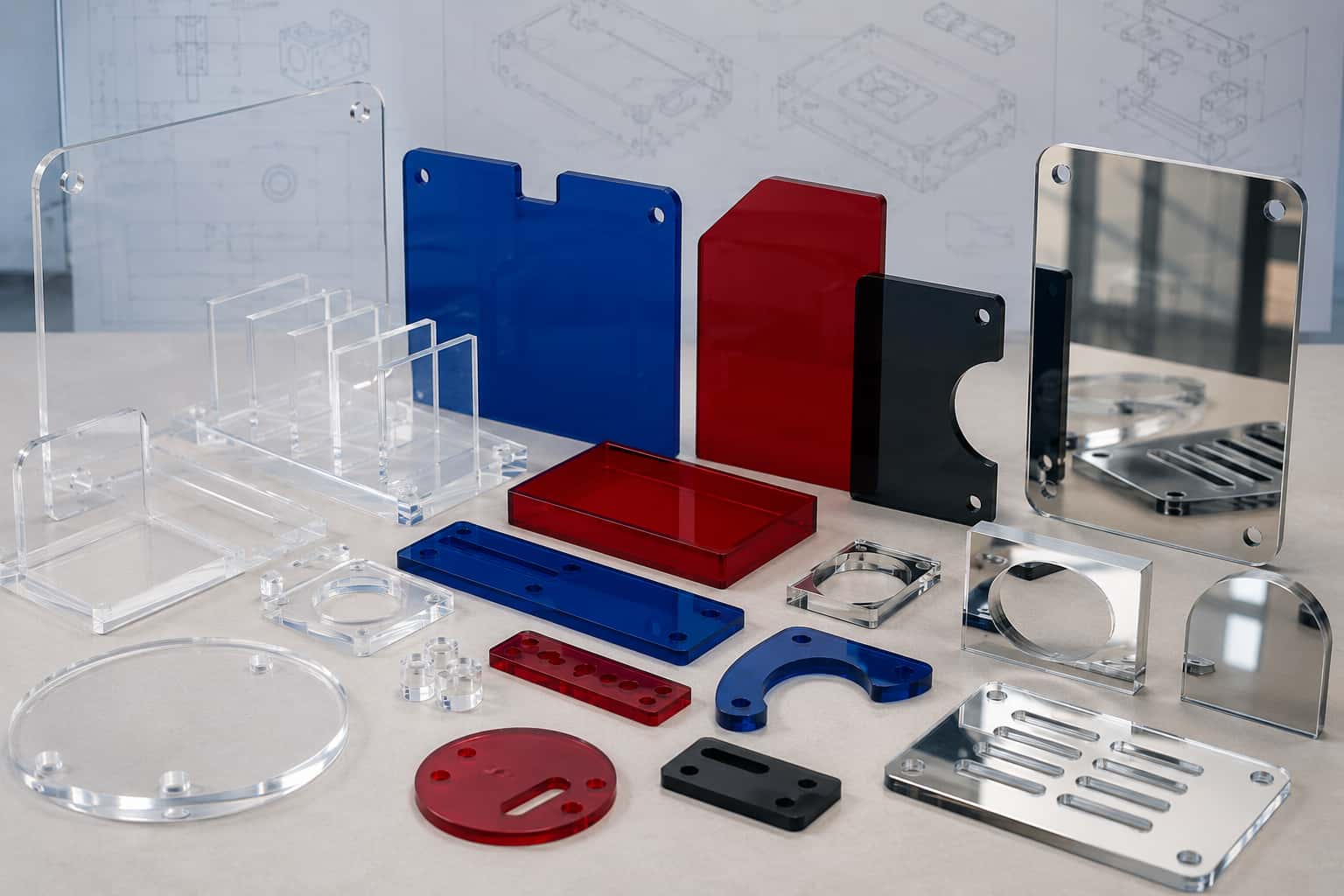
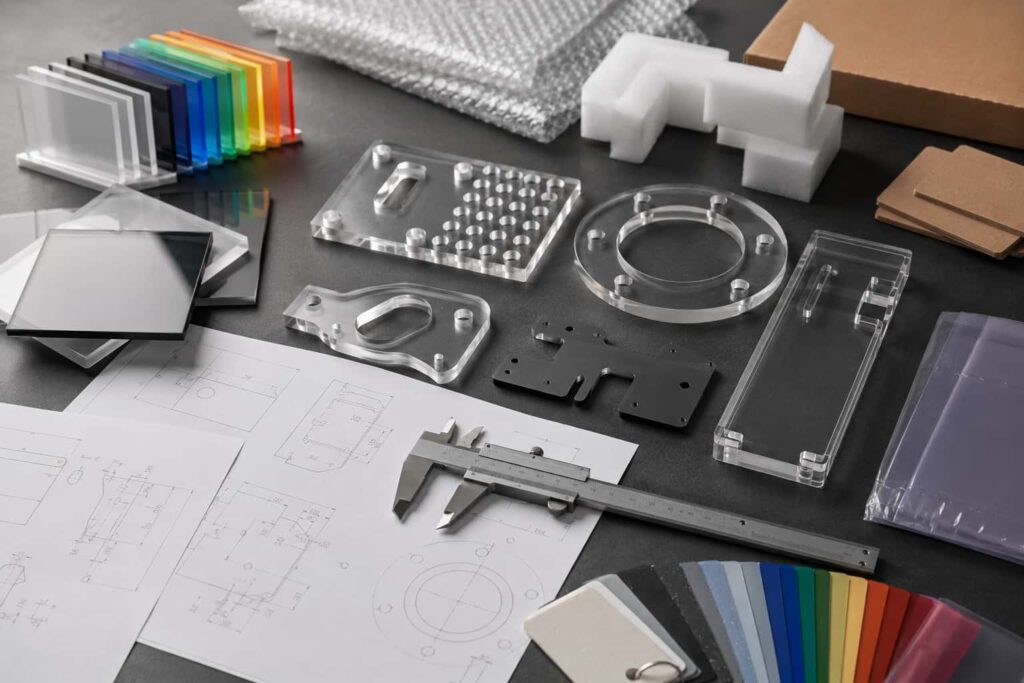
This is where an acrylic CNC service becomes important. CNC cutting allows acrylic sheets to be machined into precise shapes, slots, holes, panels, brackets, display parts, and signage components based on digital drawings. For projects that require repeated parts, fitting structures, or clean assembly, CNC machining can offer better control than simple manual cutting.
For retail display companies, POS display manufacturers, signage companies, store fixture contractors, and OEM buyers, the goal is not simply to “cut acrylic.” The real goal is to get acrylic parts that match the design, fit correctly, look consistent, and can be produced reliably for small or large project runs.
Pro Tip
If you are planning a custom display, signage, or OEM acrylic project, you can send your drawing, thickness, color, and application details for a project review.
What Is Acrylic CNC Service?
Acrylic CNC service refers to the process of using computer-controlled cutting machines to shape acrylic sheets into custom parts. CNC equipment follows digital design files, which helps create more consistent dimensions, hole positions, slots, and curves than manual cutting methods.
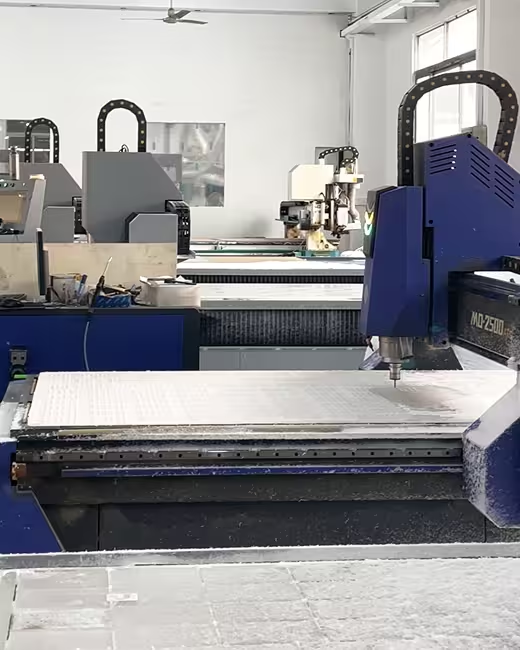
In B2B projects, CNC cutting is commonly used for:
- Custom acrylic display parts
- POS display panels and shelves
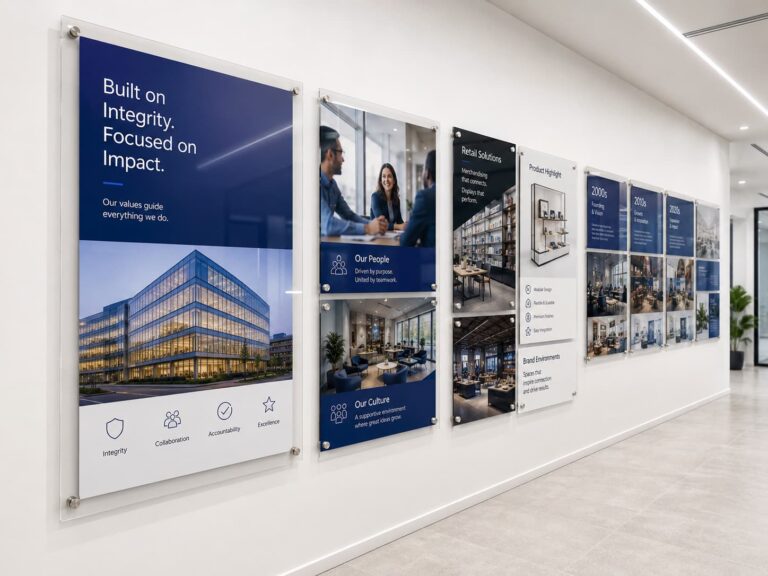
- Signage panels and sign faces
- Acrylic holders and brackets
- Retail fixture components
- Cut-to-size acrylic sheets
- OEM acrylic parts based on drawings
- Decorative colored or mirror acrylic pieces
Unlike general DIY cutting, professional acrylic CNC machining must consider the material grade, sheet thickness, edge quality, tolerance, and final application. Acrylic can crack, chip, melt, or show rough edges when the wrong tool, speed, material, or cutting method is used. For visual applications, even small edge defects can reduce the perceived quality of the finished display.
When Should You Use CNC Cutting for Acrylic Sheets?
CNC cutting is especially useful when the acrylic part needs more than a straight cut. It is often preferred for projects that require precise holes, slots, notches, curves, repeated shapes, or parts that must fit into a larger assembly.
For example, a POS display may include shelves, side panels, front lips, logo plates, and small support parts. If these pieces do not fit correctly, the final display may look uneven or become difficult to assemble. A signage panel may need accurate mounting holes, clean contours, or consistent dimensions across multiple store locations. CNC cutting helps control these details.
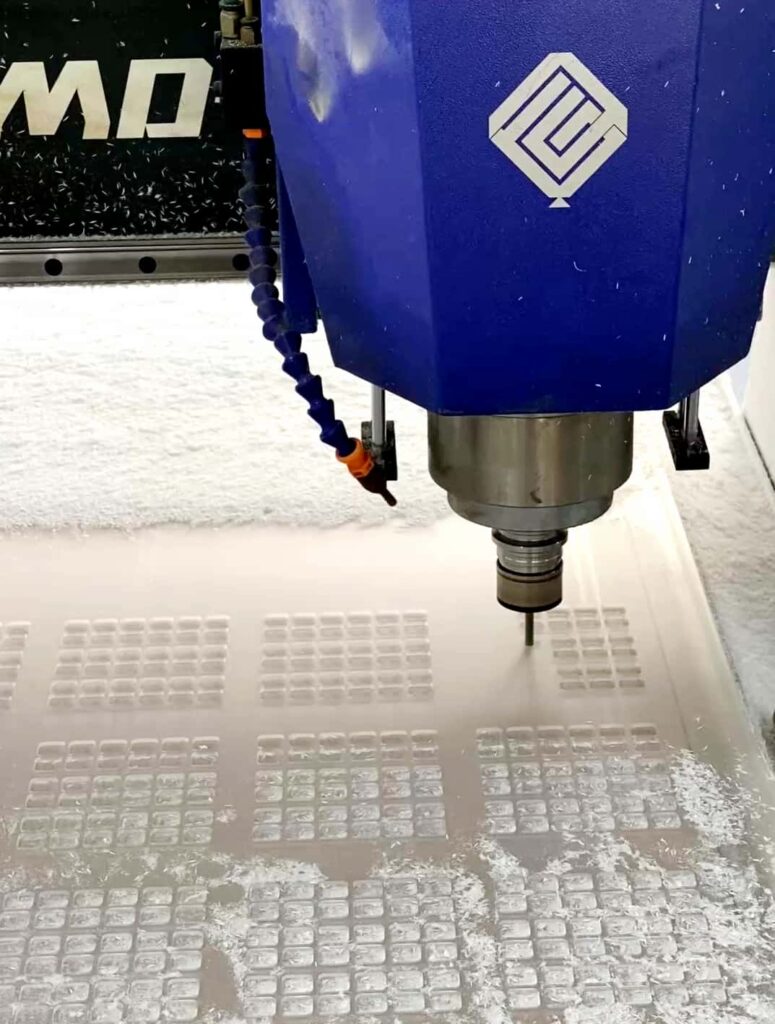
However, CNC is not always the only option. Some simple shapes may be suitable for laser cutting, especially when a smooth heat-polished edge is desired. The best method depends on the design, thickness, edge requirement, material color, quantity, and final use.
CNC Cutting vs. Laser Cutting Acrylic
For a broader comparison of cutting methods, you can also read our guide on how to cut acrylic sheets.
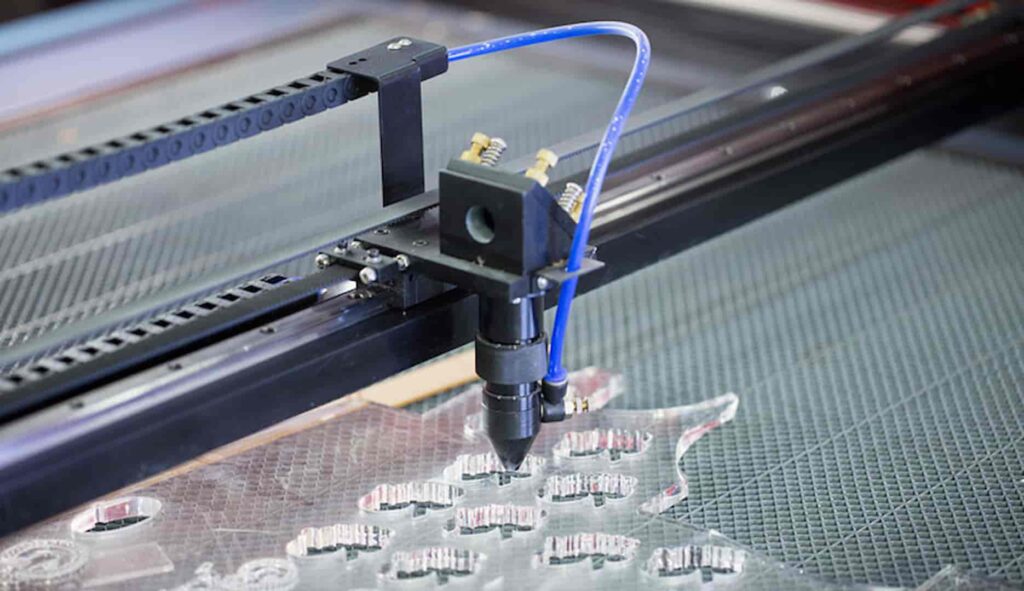
Both CNC cutting and laser cutting are widely used for acrylic fabrication. The better choice depends on the project goal.
| Fabrication Method | Common Advantages | Points Buyers Should Check | Suitable Applications |
|---|---|---|---|
| CNC Cutting | Good for holes, slots, curves, pockets, fitting parts, and thicker or structured components | Tool marks, edge finish, tolerance requirement, polishing needs | Display components, signage parts, mounting panels, OEM acrylic parts |
| Laser Cutting | Good for fast profile cutting and smooth edges on many acrylic sheets | Heat-affected edges, stress marks, thickness limitations, material grade | Flat panels, decorative shapes, sign faces, simple display parts |
| Manual Cutting | Useful for simple, low-precision cuts | Lower consistency, rough edges, limited shape options | Temporary samples or simple internal use |
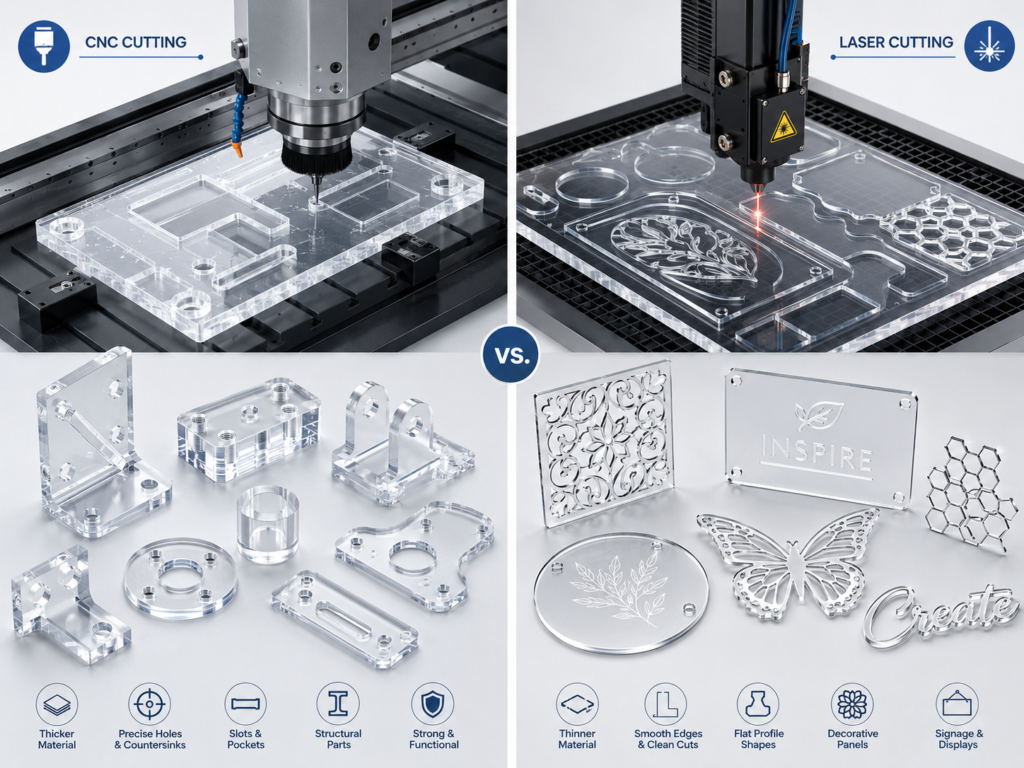
For many B2B acrylic projects, CNC and laser cutting can also be combined. For example, laser cutting may be used for fast outer profiles, while CNC machining may be used for holes, slots, grooves, or assembly details.
Pro Tip
Do not choose CNC or laser cutting only by price. For display and signage projects, hole position, edge finish, sheet thickness, color, and assembly structure can all affect the final result. If the acrylic part needs slots, countersunk holes, or tight fitting, CNC cutting may be more suitable.
Material Selection for Acrylic CNC Projects
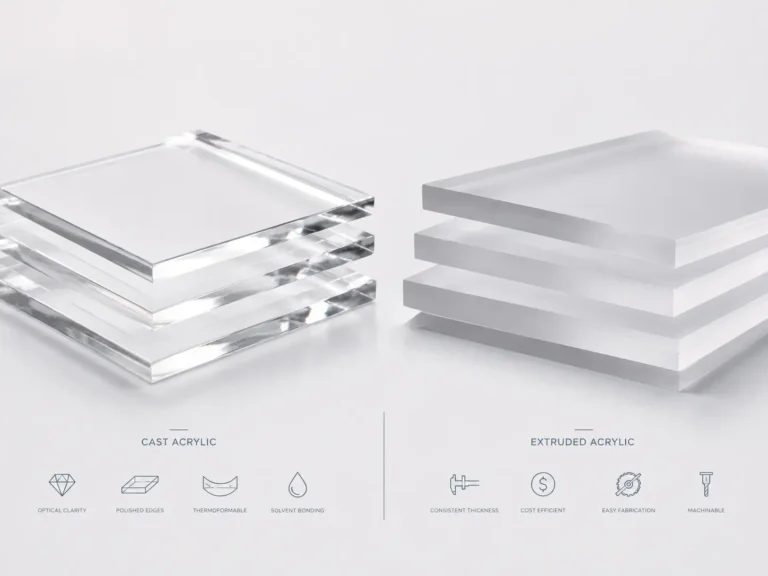
Acrylic CNC service depends not only on machines, but also on the sheet material itself. The quality, grade, thickness, color, and surface condition of the acrylic sheet can affect cutting performance and final appearance.
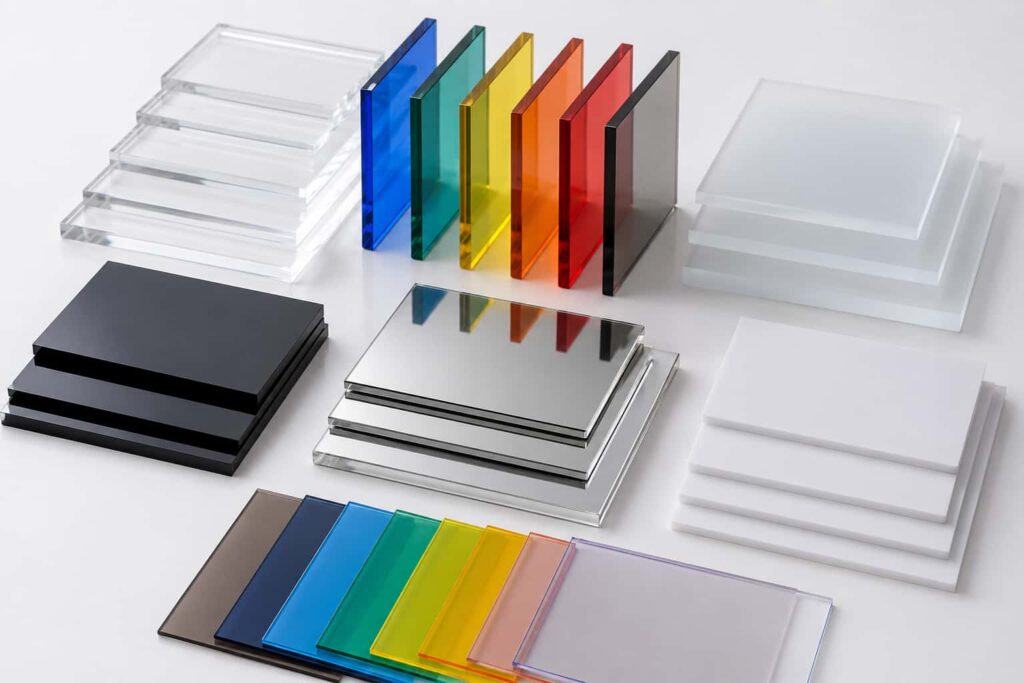
B2B buyers should consider the following acrylic sheet options:
| Acrylic Sheet Type | Useful Features | Common B2B Applications | Buyer Considerations |
|---|---|---|---|
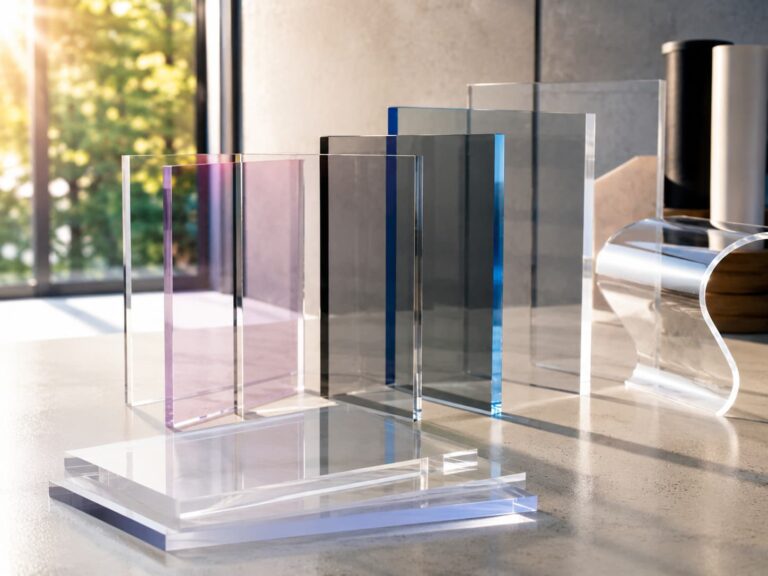
| Clear Acrylic Sheets | High clarity, glass-like appearance, easy to fabricate | Display covers, product holders, transparent panels, protective screens | Confirm thickness, optical clarity, scratch protection, and edge finish |
| Colored Acrylic Sheets | Visual impact, brand color options, decorative value | POS displays, brand fixtures, signage, retail shelves | Check color consistency, batch matching, and light transmission |
| Mirror Acrylic Sheets | Reflective surface, lighter than glass mirror | Decorative displays, cosmetic fixtures, interior signage | Confirm surface protection, cutting method, and scratch control |
| Thin Acrylic Sheets | Lightweight, easy to form and fabricate | Display panels, inserts, signage faces, packaging displays | Check thickness tolerance, bending behavior, and flatness |
| Frosted or Diffuser Acrylic | Softer light effect and reduced glare | Illuminated signs, light boxes, display lighting | Confirm diffusion effect and lighting performance with supplier |
For retail and signage projects, color consistency is especially important. A single prototype may look acceptable, but a large store rollout requires repeatable color, thickness, and surface quality. This is why buyers should discuss material requirements before production, not only after receiving the first sample.
Key Quality Factors: Edge Finish, Tolerance, and Surface Protection
Acrylic parts are often used in customer-facing environments. This means small details can matter. A rough edge, visible chip, scratched surface, or poor-fitting slot may affect the visual quality of the final display.
Here are the main quality points B2B buyers should review:
| Quality Factor | Why It Matters | How to Reduce Risk |
|---|---|---|
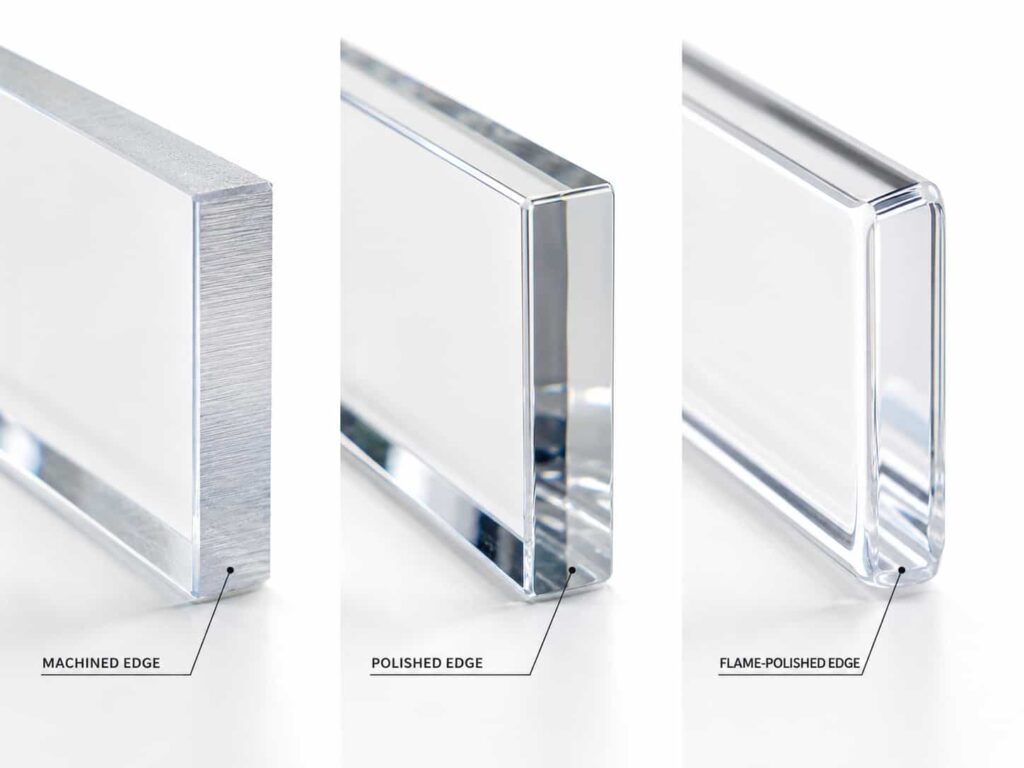
| Edge Finish | Edges are visible on display shelves, signs, and transparent parts | Confirm whether as-machined, polished, or flame-polished edges are needed |
| Thickness Tolerance | Fitting parts, slots, and assembled fixtures depend on consistent thickness | Choose suitable sheet grade and confirm project-specific tolerance needs |
| Hole and Slot Accuracy | Mounting and assembly depend on correct hole position | Provide CAD drawings and indicate critical dimensions |
| Surface Protection | Acrylic can scratch during cutting, packing, or shipping | Use protective film and suitable packaging for finished parts |
| Color Consistency | Brand displays and signage need stable visual appearance | Confirm color samples, batch requirements, and repeat production needs |
| Light Transmission | Illuminated signs need controlled brightness and diffusion | Test material with the intended lighting source when necessary |
For custom acrylic display parts, the buyer should not only ask whether the supplier can cut acrylic. A better question is whether the supplier can support the full process: material selection, cutting, polishing, bending, inspection, and packing.
Acrylic CNC Parts for Displays, POS Fixtures, and Signage
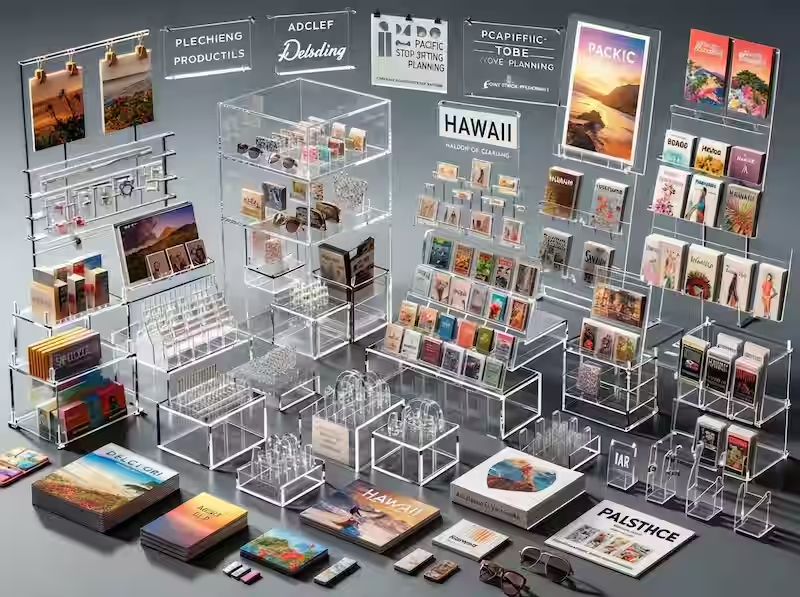
Acrylic CNC service is valuable because it supports many commercial display and signage applications. Different industries may need different material and fabrication choices.
Retail Displays
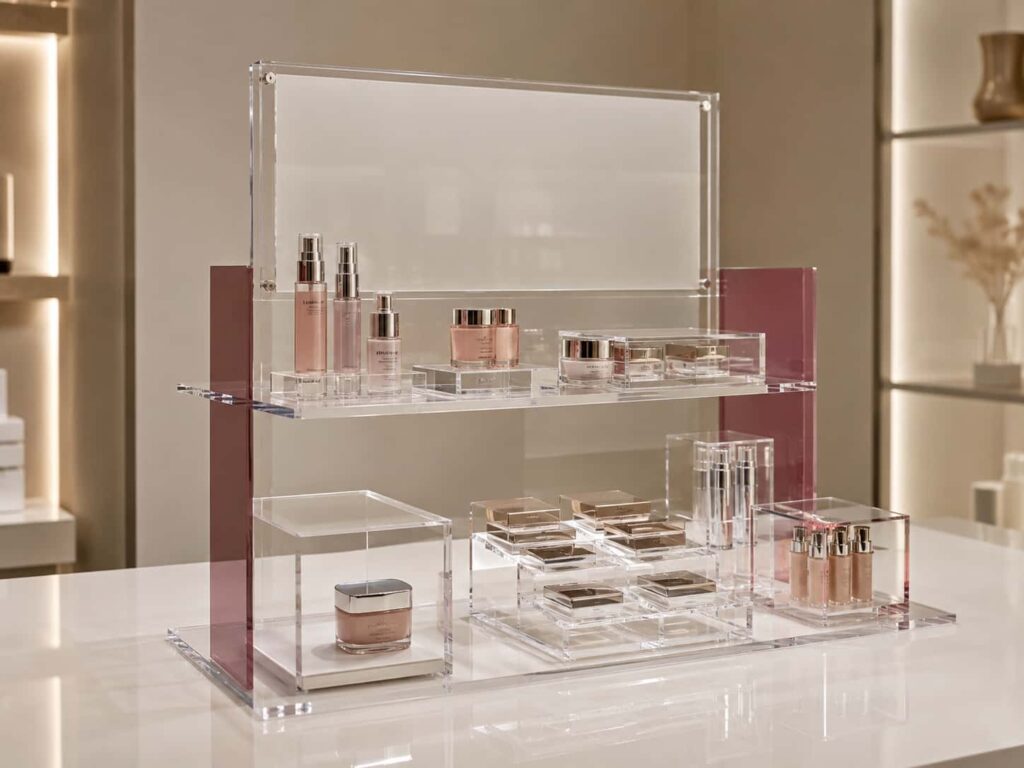
Retail displays often require clear shelves, colored side panels, product risers, logo panels, or transparent covers. CNC cutting can help create repeated parts that fit together cleanly. For brand displays, color and finish should match the visual identity of the product.
POS Displays
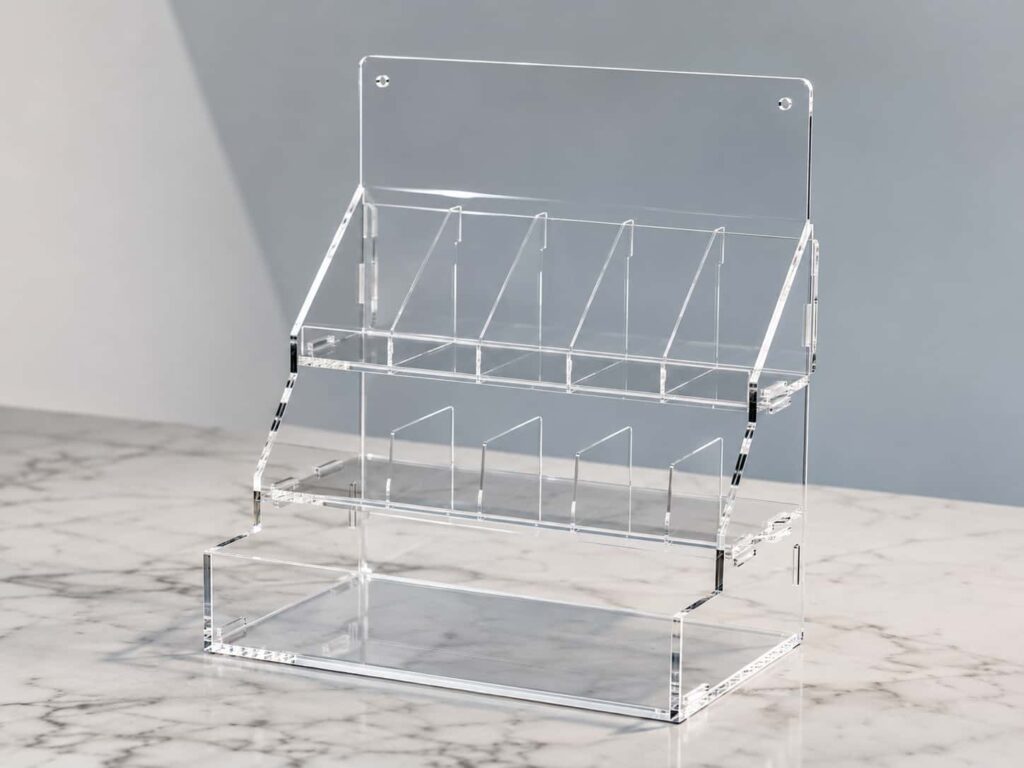
POS displays usually need lightweight parts, clean edges, and easy assembly. Thin acrylic sheets may be used for panels, inserts, trays, dividers, and promotional display structures. If the display includes slots or interlocking pieces, thickness tolerance becomes especially important.
Signage Panels and Sign Faces
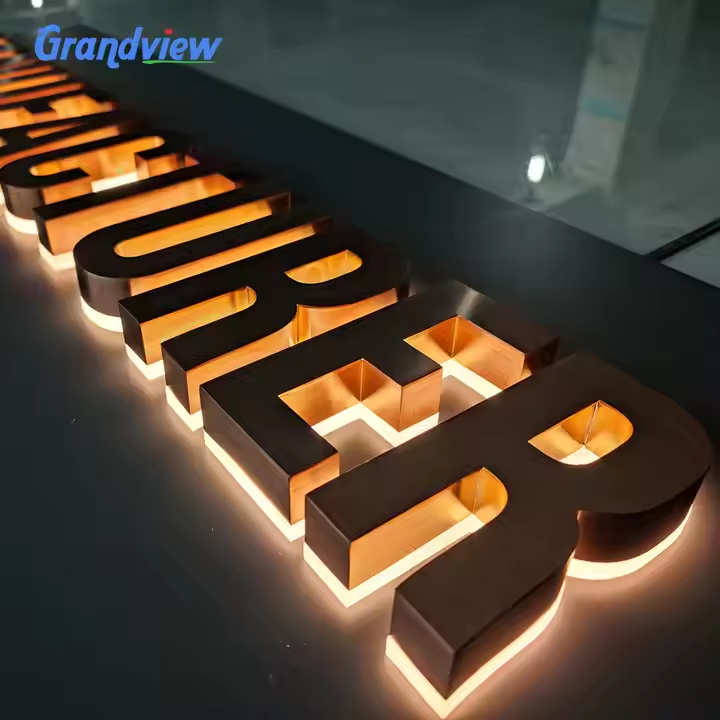
Signage companies may use acrylic for flat signs, illuminated signs, channel letter faces, logo panels, and directional signs. In these projects, light transmission, color, outdoor exposure, and edge finish should be considered before choosing the material and cutting method.
OEM Acrylic Components
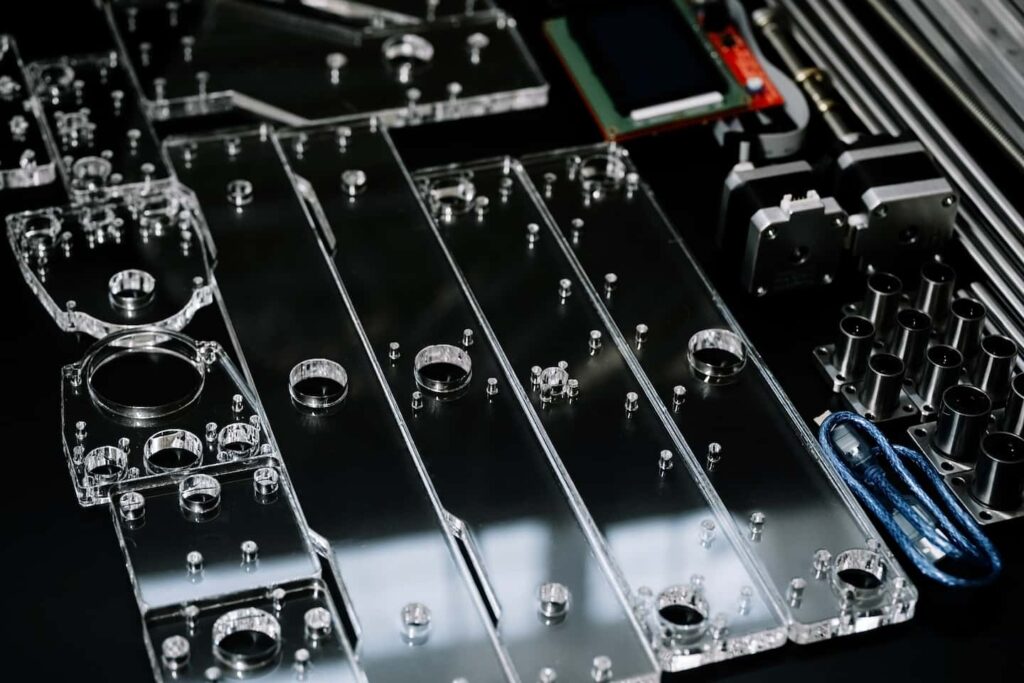
OEM projects may require repeated production based on drawings. CNC service can support custom acrylic parts with consistent shapes, holes, and dimensions. For these projects, buyers should provide clear drawings, material requirements, tolerance notes, and expected production quantity.
For OEM display projects ask our team bout color matching, cutting, polishing, bending, and custom acrylic fabrication support before confirming production.
Why Work With an Acrylic Sheet Factory Instead of Only a CNC Shop?
A CNC shop may be strong at machining, but it may not always control the acrylic sheet supply. For B2B acrylic projects, this can create challenges when color, thickness, surface quality, or repeat production consistency matters.
Working with an acrylic sheet factory or a supplier with fabrication support can provide a more connected process:
- Material selection based on application
- Thickness and color confirmation
- CNC cutting or laser cutting review
- Edge polishing or surface finishing
- Bending, bonding, or assembly support when needed
- Quality inspection before packing
- Packaging suitable for international shipment
This does not mean every project needs full custom fabrication. Some projects only need cut-to-size acrylic sheets. But for retail displays, POS fixtures, signage systems, and OEM acrylic parts, a factory-supported process can reduce miscommunication and improve project consistency.
What B2B Buyers Should Prepare Before Requesting a Quote
A clear inquiry helps suppliers give better recommendations and more accurate pricing. Before requesting an acrylic CNC service quote, buyers should prepare as much project information as possible.
| Information to Provide | Why It Helps |
|---|---|
| Drawing file or sketch | Helps review shape, hole position, slot details, and feasibility |
| Material type | Clear, colored, mirror, frosted, diffuser, or other acrylic options may perform differently |
| Thickness | Affects strength, fitting, edge quality, and fabrication method |
| Color requirement | Important for brand displays, signage, and repeat orders |
| Quantity | Helps determine production method and cost structure |
| Edge finish | As-machined, polished, or visual-grade edges may require different processes |
| Application | Indoor, outdoor, illuminated, retail, POS, signage, or OEM use affects material choice |
| Assembly details | Slots, screws, bonding, bending, or packaging needs should be reviewed early |
Important Note
A better inquiry usually leads to a faster and more useful quotation. For retail display projects, include brand color requirements, expected quantity, packaging needs, and whether the parts will be assembled by your team or supplied as finished components.
Have drawings, thickness, color, or quantity requirements ready? Send your project details and get a practical acrylic sheet and fabrication review before production.
Common Problems in Acrylic CNC Projects and How to Avoid Them
Even when acrylic looks simple, B2B projects can run into quality problems if material and fabrication details are not reviewed early.
| Common Problem | Possible Cause | Prevention |
|---|---|---|
| Chipped or rough edges | Unsuitable tool, cutting method, or material condition | Confirm CNC process and edge finish requirement before production |
| Cracking near holes | Sharp corners, stress concentration, or incorrect hole design | Use suitable radii, spacing, and material thickness |
| Color difference between batches | Material batch variation or unclear color standard | Confirm color samples and repeat order requirements |
| Poor fit during assembly | Thickness variation or unclear tolerance | Provide drawings and identify critical dimensions |
| Uneven lighting effect | Wrong sheet color, opacity, or diffuser grade | Test acrylic material with actual lighting when possible |
| Scratches after shipping | Insufficient surface protection or packaging | Use protective film and project-appropriate packing |
These problems are easier to prevent before production than to correct after shipping. For international B2B buyers, early technical communication is especially important because replacement and rework can cost time and money.
FAQs About Acrylic CNC Service
Acrylic CNC service is the process of cutting and machining acrylic sheets into custom shapes, panels, holes, slots, and components using computer-controlled equipment. It is commonly used for displays, signage, POS fixtures, and OEM acrylic parts.
Yes. Acrylic sheets can be CNC machined, but the result depends on material grade, sheet thickness, tool selection, cutting method, and edge finishing. Buyers should confirm the final application and visual requirements with the supplier.
It depends on the design. CNC cutting is often suitable for holes, slots, fitting parts, and structured components. Laser cutting can be suitable for fast profile cutting and smooth edges on many acrylic sheets. Some projects may use both methods.
The suitable thickness depends on part size, structure, strength requirement, and final application. Thin acrylic sheets are common for display panels, inserts, and signage faces, while thicker sheets may be used for stronger structural parts. Buyers should confirm available thickness options and tolerance requirements with the supplier.
Yes. Colored acrylic sheets can be CNC cut for retail displays, POS fixtures, and signage applications. For brand projects, buyers should pay attention to color consistency, surface protection, and repeat production requirements.
The best edge finish depends on visibility and design. Hidden structural parts may only need a standard machined edge, while visible display or signage parts may require polished edges for a cleaner appearance.
You should provide drawings or sketches, material type, thickness, color, size, quantity, edge finish, application, and any assembly or packaging requirements. This helps the supplier review feasibility and recommend suitable fabrication methods.
Conclusion
Acrylic CNC service is not only about cutting sheets into shapes. For B2B display, signage, POS, and OEM projects, it is part of a larger decision that includes material selection, color consistency, thickness tolerance, edge quality, fabrication method, and project delivery requirements.
Choosing the right acrylic sheet and fabrication process can help reduce assembly problems, improve visual consistency, and support repeat production. CNC cutting may be the right choice for projects that need accurate holes, slots, curves, and fitting parts, while laser cutting, polishing, bending, and other fabrication methods may also be used depending on the design.
Grandview Acrylic supports international B2B buyers with acrylic sheet options and custom fabrication services for displays, signage, and OEM acrylic projects. If you are preparing a new project, send your drawings, dimensions, thickness, color, quantity, and application details for review. This helps the team recommend suitable acrylic sheet options and fabrication methods before production.
References and Further Reading
The following sources are provided for readers who want to review neutral material standards, acrylic sheet properties, and general fabrication references. They are used to support technical understanding, not to compare competitor pricing or product claims.
ASTM International — Standard Specification for Poly(Methyl Methacrylate) Acrylic Plastic Sheet
Useful for understanding acrylic sheet specification language and material classification. View source
Röhm / PLEXIGLAS — PMMA Sheet Standards
Reference page for PMMA sheet standard categories such as cast and extruded acrylic sheets. View source
Plaskolite — OPTIX / Plazcryl Extruded Acrylic Sheet Guidebook
Technical guidebook covering extruded acrylic sheet information, including light transmission and UV-related material notes. View PDF
3A Composites — AKRYLON Acrylic Sheet Product Guide
Product guide with general acrylic sheet application and fabrication references, including displays, signage, bending, engraving, and polishing. View PDF
Note: Material performance can vary by grade, thickness, color, and supplier. Buyers should confirm project-specific requirements with their acrylic sheet supplier before production.