When designing for high-end retail merchandising or global event production, sourcing and fabricating mirrored acrylic mirrors perfectly is the ultimate challenge.. Designers and procurement managers are increasingly tired of dealing with heavy, fragile glass mirrors that are difficult to transport, expensive to ship, and dangerously prone to shattering in public spaces. The ultimate solution lies in premium plastics—specifically, the flawless, high-definition reflection provided by high-quality acrylic.
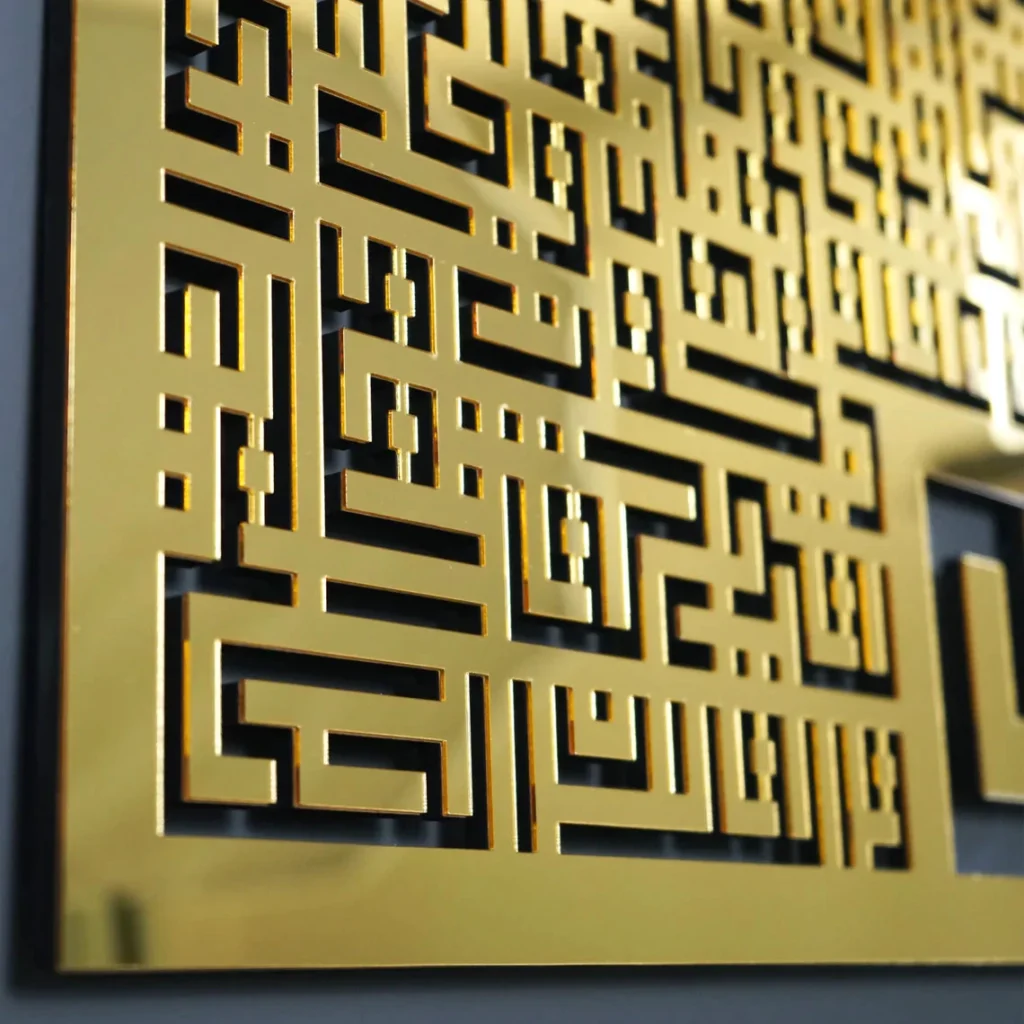
However, procuring the raw material is only half the battle. Transforming that raw sheet into a stunning, finished display component requires exceptional precision. Fabricating mirrored acrylic mirrors is a highly specialized process. Because of its unique multi-layered composition, handling this material requires completely different techniques compared to standard clear acrylic.
As a premier manufacturer with decades of expertise, Grandview Acrylic has produced millions of custom components for clients worldwide. In this comprehensive factory guide, we will pull back the curtain on industrial fabrication, compare laser cutting with CNC routing, and show you how to maximize yield and achieve flawless edges for your next commercial project.
The Hidden Challenge: Protecting the Reflective Backing
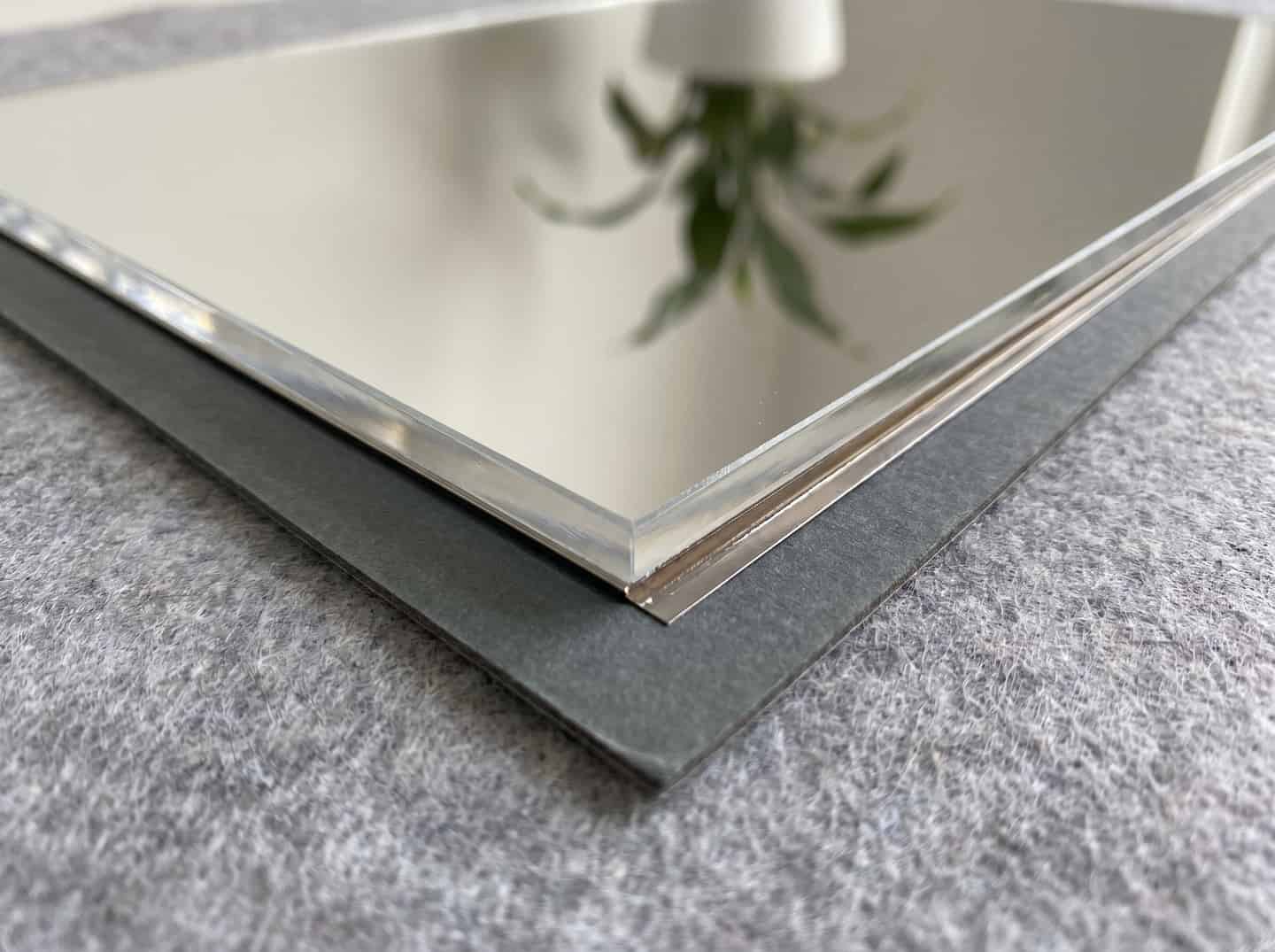
To understand why fabricating mirrored acrylic mirrors can be so difficult for local shops, you must first understand how the material is made. Unlike standard colored or clear acrylic, which is a solid, homogeneous block of plastic, a mirror sheet is a sophisticated composite.
At Grandview, our process begins with 100% virgin Mitsubishi PMMA. We never use recycled scraps.
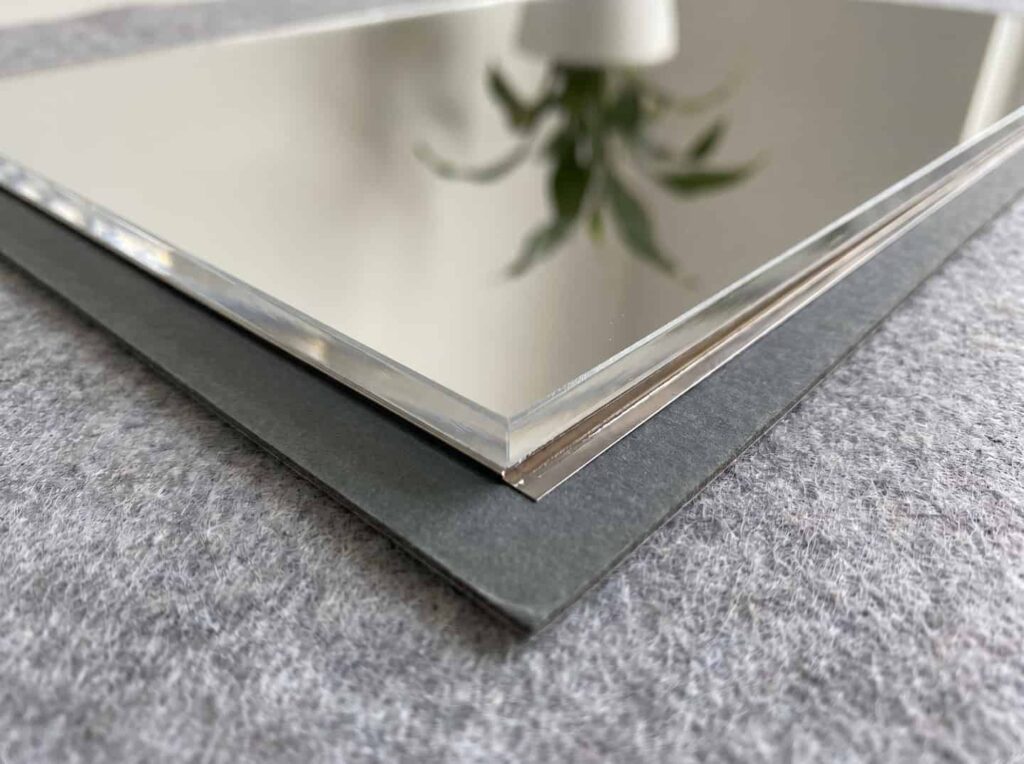
This pure base ensures maximum optical clarity with absolutely zero specks or stains. Using superior vacuum plating technology, a microscopic layer of aluminum is deposited onto the acrylic base, creating a brilliant, outstanding visual quality with no light leakage. Finally, we apply a tough, eco-friendly paint coating (or a high-quality 3M adhesive backing) to protect that ultra-thin metal layer.
The primary fabrication challenge lies entirely in this protective backing. The vacuum-plated layer is incredibly sensitive to friction, heat, and vibration. If a cutting tool creates too much vibration, the eco-friendly backing will chip away, taking the reflective aluminum with it and leaving ugly, transparent, or black jagged marks along the edge. Successful fabrication means cutting the substrate perfectly without disturbing the fragile mirror coating on the back.
Why Manual Saws Fail for High-End Commercial Projects
Many online tutorials targeted at DIYers suggest using scoring knives, handheld jigsaws, or standard panel saws to cut mirrored sheets. For a B2B procurement manager overseeing a global retail rollout, relying on these manual or semi-manual methods is a recipe for disaster.
Using a standard saw blade generates immense friction and aggressive vibration. This almost guarantees that the mirror backing will peel or shatter along the cut line. Furthermore, manual cutting cannot maintain the strict tolerances required for intricate signage, channel letters, or seamless display cases.
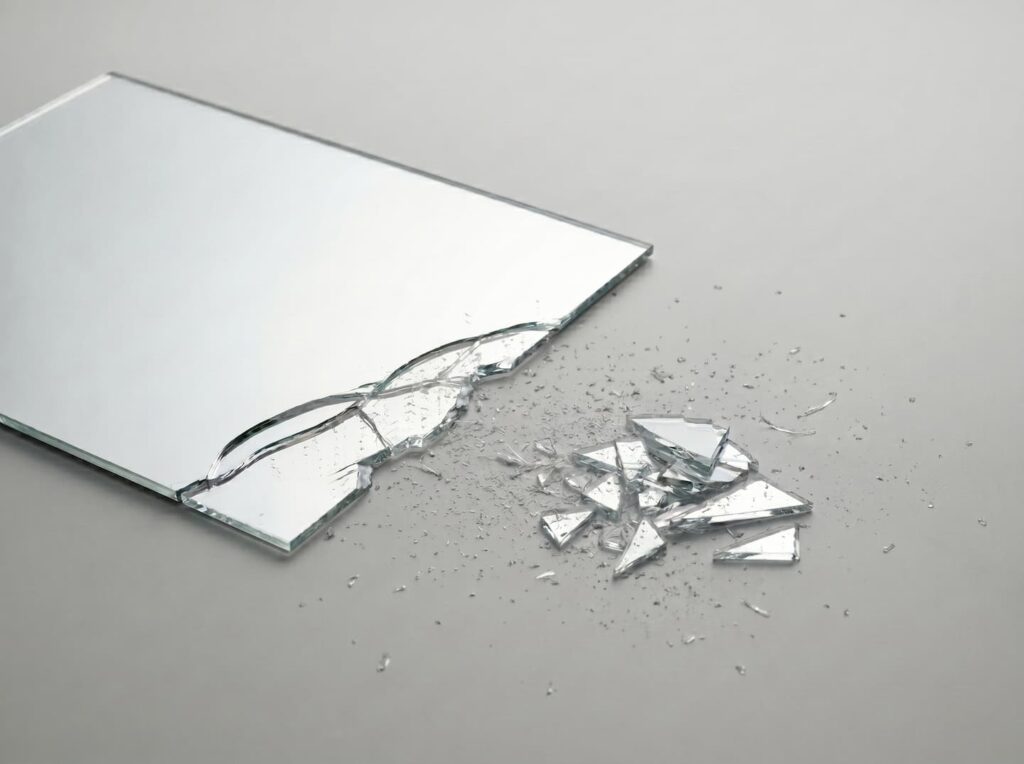
When local fabricators attempt to process mirrored acrylic mirrors with inadequate equipment, they routinely experience scrap rates of 20% to 30%. In commercial manufacturing, high scrap rates, inconsistent edge quality, and the resulting assembly bottlenecks instantly destroy project budgets and profit margins.
Industrial Precision: Machining Mirrored Acrylic Mirrors at Scale
To achieve zero-waste perfection, source factories rely on heavy-duty, computer-controlled machinery equipped with advanced cooling and clamping systems. At Grandview, our core expertise lies in utilizing an advanced dual-machine center (Laser & CNC) to meticulously process sheets based on exact CAD drawings.
Laser Cutting: The “Face-Down” Secret
For complex patterns with fine hollow areas, micro-holes, or intricate laser-cut logos, CO2 laser cutting is the superior choice. However, laser cutting mirrored materials requires a specific factory technique.
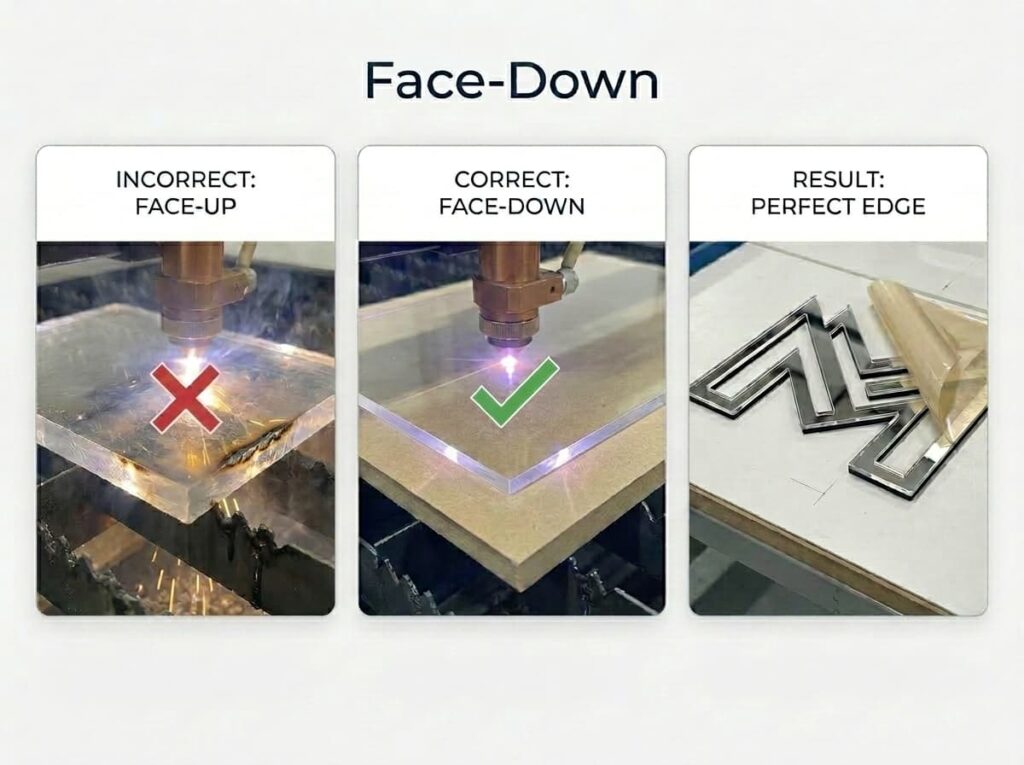
If an operator places the sheet mirror-side up, the laser beam will hit the reflective layer and bounce back. This not only damages the laser lens but also scatters the heat, causing the plastic to melt uncontrollably and scorching the backing.
Our factory technicians always cut mirrored acrylic mirrors face down—meaning the laser cuts through the eco-friendly painted backing first. Utilizing imported laser sources and precisely calibrated air-assist systems, the laser instantly vaporizes the material. This yields a transparent, glossy, flame-polished edge with no secondary treatment required, making it perfect for rapid sampling and tight deadlines.
CNC Routing: Zero-Vibration Hold Downs
When processing thicker sheets (up to 50mm) or when a project requires high perpendicularity for precision splicing, 3-Axis and 4-Axis CNC Machining Centers are required.
The secret to successful CNC routing on mirrored backing is eliminating vibration. Our industrial CNC machines utilize massive, high-pressure vacuum beds that pull the sheet completely flat and rigid against the table. Using specialized cutting bits and strict feed-rate controls, the CNC machine shears the acrylic away cleanly without pulling or tearing the vacuum-plated backing. CNC is also essential if your design requires additional processing like 3D carving, grooving, chamfering, or step cutting.
Quick Reference: Laser vs. CNC Cutting Data Table
Choosing the right cutting process for your project depends on your thickness, precision, and edge finish requirements. Based on our advanced manufacturing capabilities, here is a detailed technical comparison to guide your engineering team.
| Technical Specifications | CO2 Laser Cutting Solution | CNC Routing Solution |
| Applicable Thickness | 0.5mm – 25mm (Ideal for sheets ≤ 10mm) | 2mm – 50mm (Ideal for sheets ≥ 10mm) |
| Cutting Precision / Tolerance | ±0.1mm | ±0.05mm |
| Max Working Size | 1300mm x 2500mm | 2000mm x 3000mm |
| Edge Finish Quality | Flame polished, transparent glossy edge (no secondary processing) | Flat matte edge (can be wheel-polished to a mirror finish later) |
| Minimum Hole Diameter | ≥1mm (adjusted based on thickness) | ≥3mm (adjusted based on thickness and tooling) |
| Minimum Line Width | ≥0.5mm | ≥2mm |
| Additional Functions | Intricate 2D profiling, sharp internal corners | Grooving, chamfering, step cutting, 3D carving |
| Best B2B Application | Complex logos, thin-sheet retail displays, fast sampling | Precision splicing, thick structural parts, mass production |
Flawless Edge Finishing for Retail Displays
In the high-end retail, wedding decor, and advertising industries, a precise cut is only the first step. The visual quality of the edge often defines the luxury appeal of the final product.
When you order custom fabricated mirrored acrylic mirrors from a source factory, you have options. Laser cutting naturally provides a brilliant, glossy edge straight off the machine bed, saving time and labor costs. However, for CNC-cut parts that naturally have a flat matte edge, Grandview offers advanced wheel polishing and diamond polishing services. Every single product undergoes rigorous dimensional inspection and edge quality checks before shipment to ensure premium, showroom-ready standards.

Stop Cutting In-House: Maximize Yield with Factory Fabrication
Sourcing raw mirrored sheets and attempting to fabricate them in-house or through a local middle-man shop is an expensive, high-risk endeavor. Between the high scrap rates caused by chipped backings, the cost of specialized equipment, and the intensive labor required for edge polishing, your true production costs will inevitably skyrocket.
Maximize your yield by partnering directly with the source. At Grandview, our sheets are up to 10 times stronger than standard glass, making them the ideal shatter-resistant choice for public environments, gyms, dance studios, and children’s rooms. But we don’t just sell standard 4×8 sheets. We provide 100% fidelity to your designs, supporting AI, PDF, DXF, and DWG formats.
By letting our experienced technical team handle the precision acrylic cutting and machining, you receive ready-to-assemble components. This eliminates your scrap waste, drastically reduces your production overhead, and ensures consistent quality across thousands of units for your global rollout.
Frequently Asked Questions (FAQs)
What is the best thickness for mirrored acrylic mirrors in retail displays?
For most cosmetic shelving, safe display cases, and fitting room mirrors, 3mm (1/8 inch) to 5mm (3/16 inch) thicknesses are ideal. They offer excellent rigidity while remaining lightweight. Grandview offers a vibrant variety of over 40 stunning colors (including Silver, Gold, and Rose Gold) in 1mm to 8mm thicknesses.
Does cutting mirrored acrylic create toxic fumes?
When laser cutting acrylic, the material vaporizes and produces fumes that must be properly ventilated. Industrial fabrication facilities like Grandview use high-powered, multi-stage exhaust and filtration systems to ensure a safe environment and a pristine, uncontaminated cut on the material.
Can I get mirrored acrylic with an adhesive backing for easy installation?
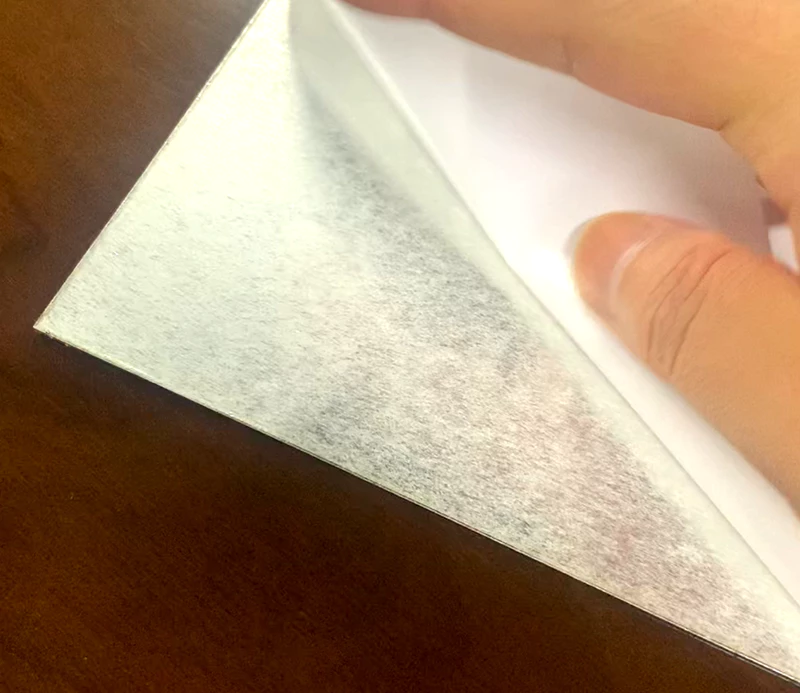
Absolutely. While standard sheets come with an eco-friendly painted backing to protect the aluminum layer, Grandview can apply a high-quality 3M adhesive sticker during the manufacturing process. This allows for instant, hassle-free peel-and-stick installation for wall art and event decor.
Partner with Grandview for Custom Signage Solutions
Successfully fabricating mirrored plastics requires specialized knowledge, industrial-grade dual-machine centers, and uncompromising quality control. If you are reading this factory guide on fabricating mirrored acrylic mirrors, you already know that settling for rough edges, chipped backings, and high scrap rates is not an option for commercial success.
Are you ready to elevate your next project with top-tier optical materials? Stop dealing with the headaches of in-house cutting.
Contact our sales team today to request a free color card book, get a customized quote based on your specific CAD drawings, or request a B2B free sample. Let Grandview empower your global business with flawless OEM & ODM solutions.