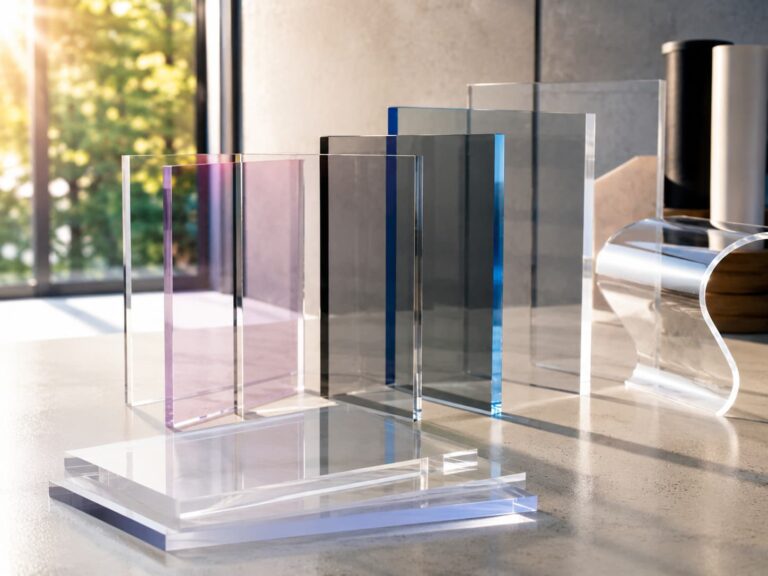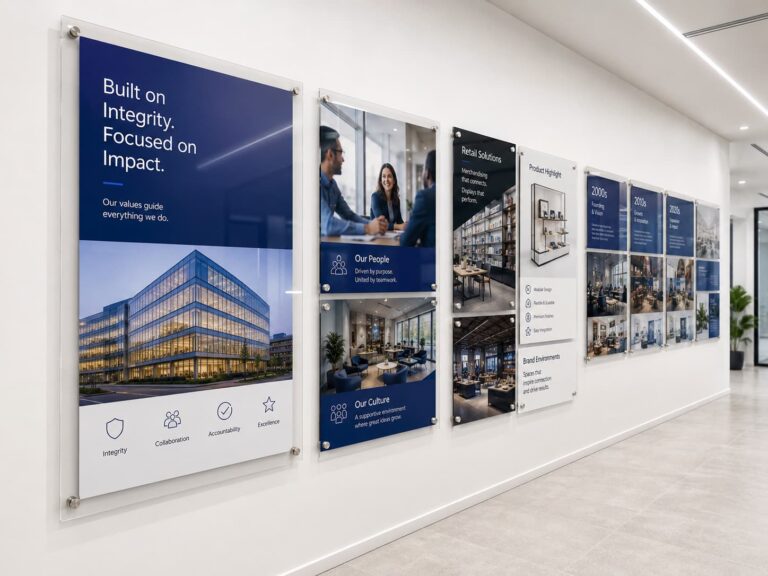
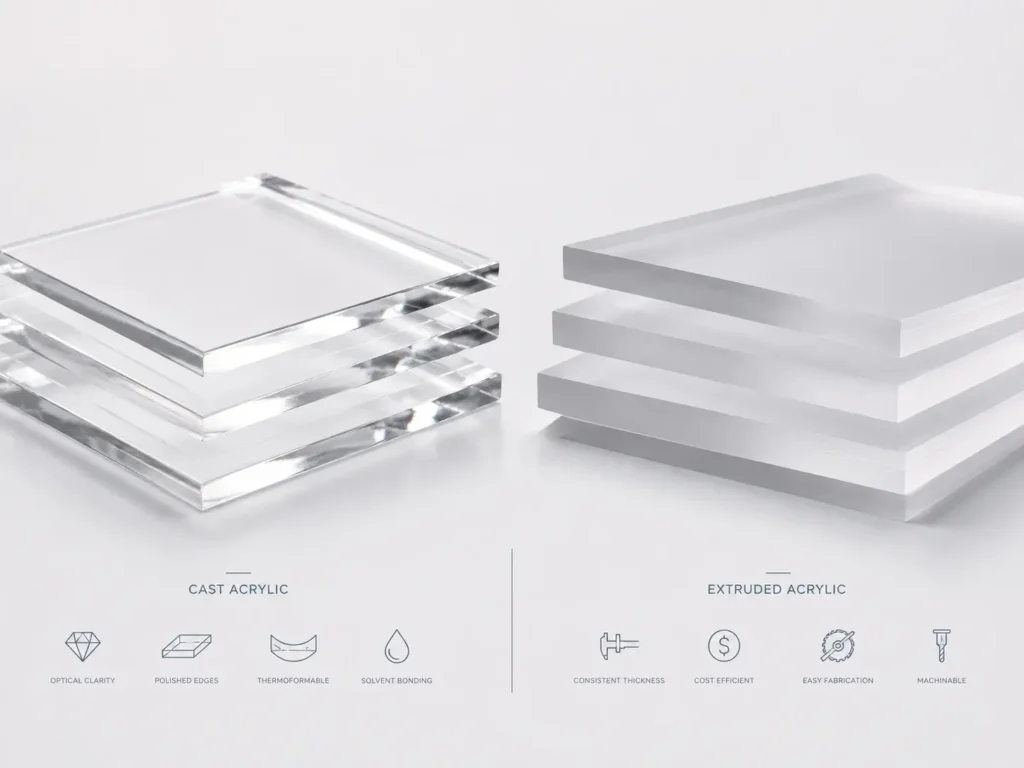
Cast vs extruded acrylic sheets are often compared by display manufacturers, signage companies, and OEM project buyers before choosing materials for retail displays, POS displays, sign faces, and custom acrylic fabrication. The decision can affect cutting quality, thickness tolerance, edge finish, color consistency, light transmission, bending performance, bonding stability, packaging safety, and final assembly.
A sheet that looks acceptable at first may still create problems during laser cutting, CNC routing, polishing, bending, printing, or installation. For retail displays, POS displays, sign faces, and custom acrylic displays, the right material choice should match the full production process, not only the visual effect.
What This Article Covers
This guide helps B2B buyers compare cast and extruded acrylic sheets for retail displays, POS displays, signage, sign faces, and custom acrylic fabrication projects.
Material Differences
Understand how cast and extruded acrylic sheets differ in production method, thickness tolerance, color options, cost, and fabrication behavior.
Display & Signage Uses
Compare which acrylic sheet type may fit retail displays, POS displays, brand fixtures, sign faces, illuminated signs, and OEM display projects.
Fabrication Performance
Learn how material choice affects laser cutting, CNC cutting, polishing, bending, bonding, engraving, and edge finishing.
Quote Preparation
Prepare drawings, size, thickness, color, quantity, application details, fabrication method, and packaging needs before requesting a quote.
Why B2B Buyers Need to Compare Cast and Extruded Acrylic Sheets
In many projects, acrylic sheet selection is made too late. A buyer may first choose color, thickness, or price, then discover problems during production: melted laser-cut edges, unstable bending, poor slot fitting, visible scratches, color differences between batches, or uneven lighting in illuminated signs.
For B2B buyers, these issues are not small defects. They can increase scrap rate, delay delivery, affect customer approval, or create rework during assembly. This is why retail display companies, POS display manufacturers, signage companies, and custom fabrication teams should compare cast and extruded acrylic sheets before mass production.
A good material choice should answer practical questions:
- Will the sheet be laser cut, CNC cut, bent, polished, bonded, or printed?
- Will the part be used indoors, outdoors, or under LED lighting?
- Is the edge exposed in the final display?
- Does the project require strict thickness tolerance?
- Does the color need to stay consistent across repeat orders?
What Are Cast Acrylic Sheets?
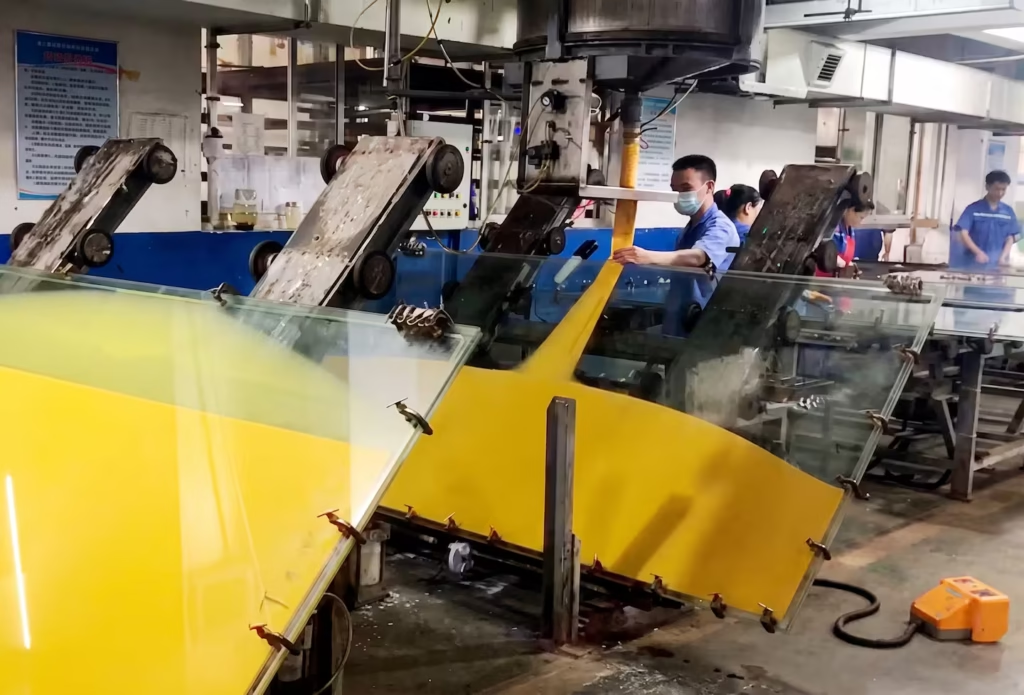
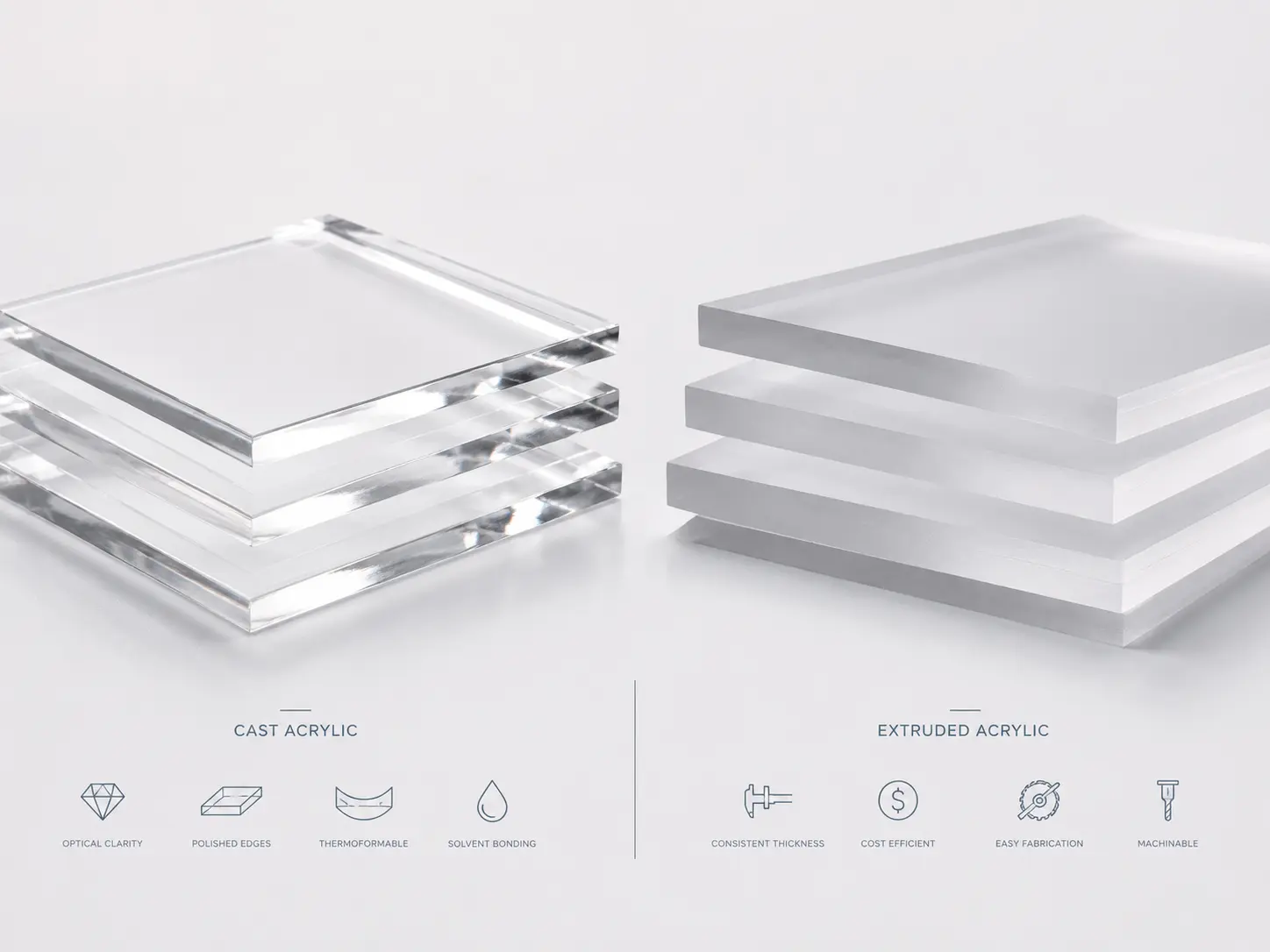
Cast acrylic sheets are produced by casting liquid acrylic material into molds and allowing it to cure into sheet form. Because of this production process, cast acrylic is often selected for projects that require good optical appearance, rich color options, stronger engraving results, and better performance in many fabrication processes.
For B2B applications, cast acrylic sheets are commonly used in custom retail displays, branded fixtures, laser engraved panels, sign faces, display covers, decorative components, and colored acrylic sheet projects where visual quality and fabrication stability matter.
Cast acrylic is often a strong starting choice when the project involves custom colors, exposed edges, laser engraving, CNC machining, polishing, or small-to-medium batch custom fabrication.
What Are Extruded Acrylic Sheets?
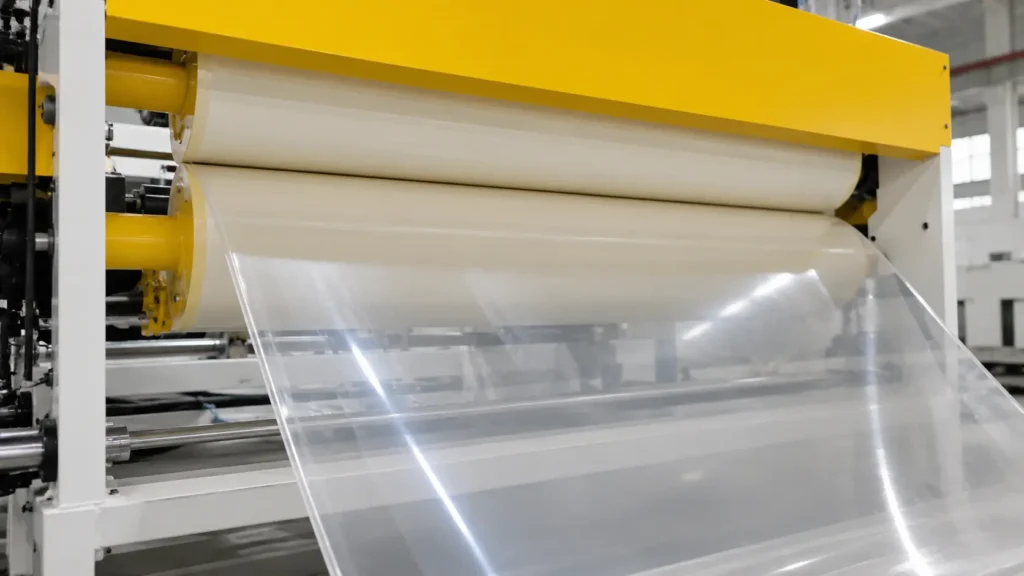
Extruded acrylic sheets are produced through a continuous extrusion process. This usually makes the sheet more uniform in thickness and more cost-efficient for many standard applications. Extruded acrylic is often used for flat panels, formed parts, protective covers, standard POS display components, and high-volume projects where cost control and consistent sheet thickness are important.
Extruded acrylic can be suitable for many display and signage projects, but buyers should pay attention to fabrication details. Laser cutting, bending, bonding, and polishing results may depend on material grade, sheet thickness, machine settings, and production requirements.
Cast vs Extruded Acrylic Sheets: Practical Comparison
| Selection Factor | Cast Acrylic Sheets | Extruded Acrylic Sheets | B2B Buying Note |
|---|---|---|---|
| Visual appearance | Often selected for high-clarity and custom display effects | Good appearance for many standard applications | Confirm physical samples under real lighting |
| Thickness tolerance | May vary more depending on grade and thickness | Usually more uniform | Important for slots, frames, and fixture assembly |
| Color options | Often better for custom colors and wider options | More limited in some colors and finishes | Useful for brand fixtures and signage projects |
| Laser engraving | Usually gives better frosted engraving contrast | Engraving may appear clearer or less defined | Test before bulk production |
| Laser cutting | Often stable for detailed custom parts | Can work well, but settings matter | Confirm edge quality with sample cutting |
| CNC cutting | Commonly used for machined parts | Suitable for many standard parts | Tooling and feed rate should be tested |
| Heat bending | Possible, but needs controlled processing | Often easier for forming | Good for formed panels and covers |
| Cost control | Usually higher | Usually more cost-effective | Best choice depends on application and quantity |
Pro Tip
Do not choose cast or extruded acrylic based only on price. For B2B display and signage projects, buyers should confirm thickness tolerance, color consistency, fabrication method, lighting condition, and sample approval before bulk production.
Application Guide: Which Acrylic Sheet Fits Your Project?
Different B2B applications need different acrylic sheet features. A clear display cover, a colored POS display, a mirror acrylic panel, and a translucent sign face may all require different material priorities.
| Application | Recommended Focus | Common Material Direction |
|---|---|---|
| Retail displays | Clarity, edge finish, scratch control, color consistency | Cast or project-tested extruded acrylic |
| POS displays | Thickness tolerance, cost control, cutting accuracy | Extruded or cast depending on structure |
| Brand fixtures | Custom color, surface finish, batch stability | Cast acrylic or custom colored acrylic sheets |
| Sign faces | Light transmission, color under LED, weather exposure | Cast, translucent, or specialty acrylic sheets |
| Illuminated signs | Diffusion, light effect, color consistency | Translucent or opal acrylic, project-specific |
| Mirror display panels | Surface protection, masking, cutting quality | Mirror acrylic sheets with careful handling |
| OEM display projects | Drawing review, tolerance, repeat order stability | Supplier review recommended |
For signage and illuminated display projects, buyers should not judge material only under daylight. Colored acrylic sheets may look different when placed in front of LED modules. Clear acrylic sheets may need polishing or printing. Mirror acrylic sheets require careful surface protection during cutting, packaging, and assembly.
Need Help Choosing the Right Acrylic Sheet?
If your project involves retail displays, POS displays, sign faces, illuminated signage, or OEM acrylic display materials, share your display concept, thickness, color target, quantity, and fabrication process. Grandview Acrylic can help recommend suitable acrylic sheet options before bulk production.
Send Project RequirementsKey Selection Factors for Display and Signage Buyers
Thickness Tolerance and Assembly Fit
Thickness tolerance is not only a technical number. It affects whether panels fit into slots, aluminum frames, display bases, lightboxes, and fixture structures. If the sheet is too thick, assembly may become difficult. If it is too thin, the panel may feel loose, bend, or create visible gaps.
For POS displays and brand fixtures, buyers should confirm whether the acrylic part will be inserted, screwed, bonded, slotted, or framed. Final thickness should be confirmed based on design, support structure, fabrication method, and supplier review.
Color Consistency and Batch Stability
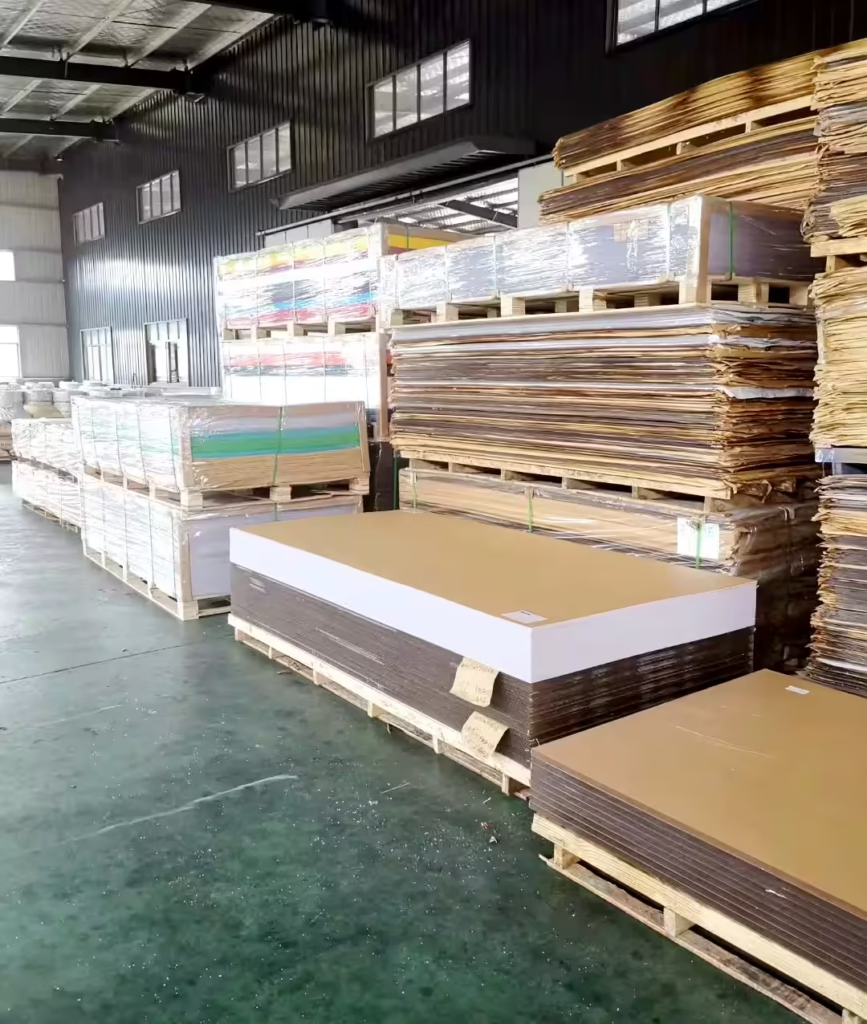
For branded retail displays and signage programs, color consistency is often more important than choosing a beautiful sample once. A display rollout may require repeat orders over time, and color difference between batches can affect brand presentation.
B2B buyers should confirm physical samples, lighting conditions, sheet thickness, and bulk production requirements before placing large orders. For custom acrylic sheets, approved samples are useful for reducing misunderstanding between buyers, designers, and the acrylic sheet factory.
Light Transmission and Lighting Effect
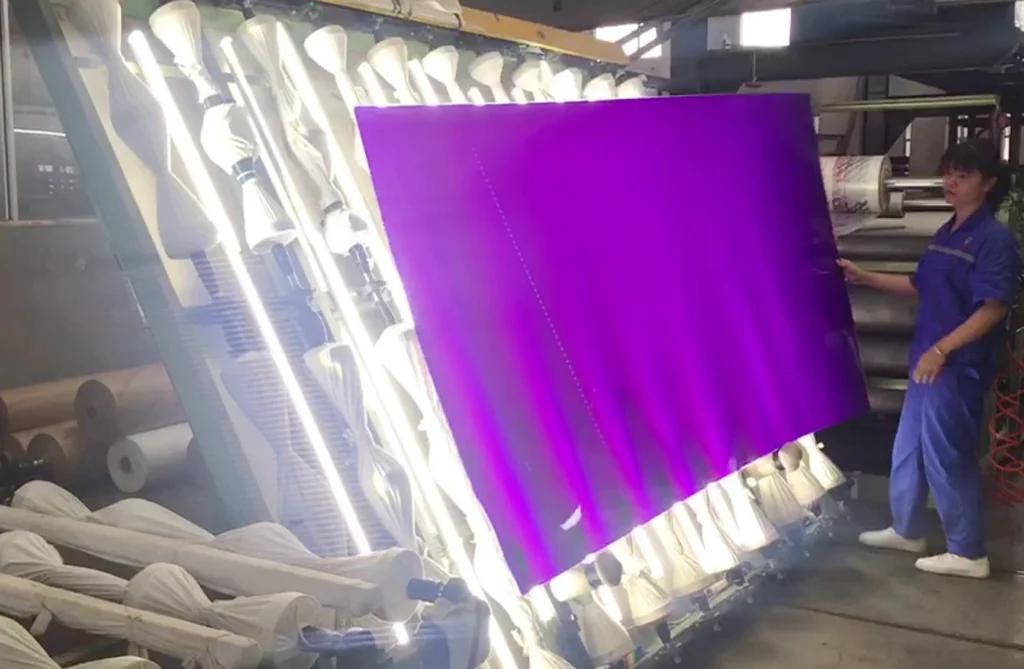
For illuminated signs, lightboxes, and display panels, acrylic sheet selection should include light transmission, diffusion, color appearance under LED lighting, and surface finish. Some projects need clear acrylic sheets. Others need translucent, opal, colored, or diffuser materials.
The final lighting effect depends on sheet type, color, thickness, LED layout, cabinet depth, and viewing distance. Buyers should confirm samples under real lighting conditions whenever possible.
Fabrication Method
Laser cutting, CNC cutting, polishing, bending, bonding, and printing can all affect the final result. Some acrylic sheets perform better for engraving. Some are easier to bend. Some require more careful edge finishing or masking protection.
Important Note
Acrylic sheet performance can vary by grade, thickness, color, surface finish, production process, and fabrication method. For project-based orders, buyers should confirm material samples, tolerance requirements, and processing details with the supplier before production.
Common Problems and How to Reduce Risk
| Common Problem | Possible Cause | How Buyers Can Reduce Risk |
|---|---|---|
| Melted or rough cutting edge | Wrong laser setting, unsuitable sheet, poor masking | Request sample cutting before bulk order |
| Parts do not fit the fixture | Thickness tolerance not confirmed | Share drawings and tolerance requirements |
| Color difference in repeat orders | No approved color sample or batch control | Confirm samples and color references |
| Uneven lighting effect | Wrong sheet type or LED condition | Test material under actual lighting |
| Cracking after bonding | Internal stress, solvent, or wrong adhesive method | Confirm bonding method before production |
| Scratched surface after shipping | Weak masking or poor packaging | Confirm surface protection and packaging needs |
Reduce Fabrication Risk Before Bulk Production
For laser cutting, CNC cutting, bending, polishing, bonding, or OEM display projects, our team can help review material type, thickness, edge finish, color matching, and fabrication requirements based on your drawings.
Request Material ReviewBuyer Checklist Before Requesting a Quote
A clear inquiry helps the supplier recommend the right acrylic sheet and avoid repeated communication.
| Information to Prepare | Why It Matters |
|---|---|
| Application | Retail display, POS display, sign face, cover, fixture, or OEM part |
| Sheet type | Clear, colored, mirror, frosted, translucent, or custom acrylic sheets |
| Thickness | Affects rigidity, cost, fabrication, and assembly |
| Size and tolerance | Important for cut-to-size parts and fitting |
| Color target | Pantone code, physical sample, or reference image |
| Fabrication method | Laser cutting, CNC cutting, bending, polishing, bonding, printing |
| Quantity | Helps evaluate production planning and packaging |
| Lighting condition | Important for illuminated signs and display panels |
| Drawings or samples | Helps the acrylic sheet manufacturer review details |
| Packaging needs | Important for export, surface protection, and safe delivery |
Prepare a More Accurate Acrylic Sheet Inquiry
Send your color, thickness, display drawings, quantity, application environment, surface finish, and packaging requirements. Clear project details help us recommend suitable cast or extruded acrylic sheet options more efficiently.
Submit Your Acrylic Sheet InquiryFAQ
It depends on the display design. Cast acrylic is often selected for custom colors, exposed edges, engraving, and visual presentation. Extruded acrylic may be suitable for standard panels, formed parts, or cost-sensitive POS display components.
Cast acrylic is often preferred for laser engraving and detailed custom parts, especially when edge appearance matters. Extruded acrylic can also be laser cut, but cutting parameters should be tested before bulk production.
Yes. Extruded acrylic can be used for many POS displays, especially flat panels, covers, and high-volume components. Buyers should confirm thickness tolerance, cutting quality, and assembly method.
Yes. Acrylic sheets are widely used for sign faces and illuminated displays. Buyers should confirm light transmission, color under LED lighting, thickness, diffusion effect, and outdoor requirements before production.
Yes. Custom colors, custom sizes, and cut-to-size acrylic sheets can be discussed for B2B projects. Physical samples, color codes, drawings, and quantity details help improve accuracy.
Prepare the application, sheet type, thickness, size, color, quantity, fabrication method, drawing, lighting condition, and packaging requirements. This helps the supplier recommend the right material more efficiently.
Conclusion
Choosing between cast and extruded acrylic sheets should be based on the full project, not only price or appearance. For retail displays, POS displays, sign faces, custom acrylic displays, and OEM display projects, buyers should consider thickness tolerance, color consistency, edge finish, light transmission, fabrication method, and packaging needs.
Planning a Display, Signage, or OEM Acrylic Project?
Contact Grandview Acrylic with your drawings, dimensions, color target, thickness, quantity, application details, and fabrication needs. Our team can help discuss suitable acrylic sheet options for your next B2B project.
Contact Grandview AcrylicReferences and Further Reading
The following neutral resources are provided for readers who want to review general PMMA acrylic sheet specifications, cast and extruded acrylic sheet differences, thickness tolerance, fabrication methods, cutting behavior, forming considerations, and stress-related processing risks. They are included to support technical understanding, not to compare competitor pricing or product claims.
ASTM International — ASTM D4802 Standard Specification for PMMA Acrylic Plastic Sheet
Useful for understanding general specification language for monolithic poly(methyl methacrylate) acrylic plastic sheets, including optical, physical, weathering, impact, abrasion, and chemical resistance-related property references. View source
ACRYLITE® — What Is the Difference Between Cast and Extruded Acrylic Sheet?
Helpful for reviewing general differences between cast and extruded acrylic sheets, including production method, cost, thickness tolerance, cementing, thermoforming, and fabrication-related selection factors. View source
ACRYLITE® — Thickness Tolerance of Extruded Acrylic Sheet
Useful for understanding why thickness tolerance can affect display appearance, visual clarity, uniform light transmission, color consistency, and fitting accuracy in acrylic display and signage applications. View source
Plaskolite — OPTIX® Acrylic Sheet Fabrication Guide
Useful for reviewing acrylic sheet fabrication topics such as cutting, machining, finishing, forming, annealing, internal stress, bonding, printing, painting, and solvent-crazing risk during processing. View source
PLEXIGLAS® — Cutting, Bending, and Forming Acrylic Sheet
Helpful for understanding how cutting method, tool selection, sheet thickness, cut-edge requirements, heating method, forming process, cooling, and protective film handling can affect acrylic display and signage parts. View source
Note: Acrylic sheet selection can vary by material grade, sheet type, production method, thickness, surface finish, color, fabrication method, lighting condition, tolerance requirement, packaging method, and final application. Buyers should confirm project-specific details with their acrylic sheet supplier, fabrication partner, engineer, or project team before mass production.