
Clear acrylic sheets are widely used in retail displays, POS fixtures, brand presentation units, protective covers, sign faces, and custom acrylic display parts. For B2B display manufacturing, clear acrylic is not selected only because it is transparent. Buyers also need to consider optical clarity, thickness stability, cutting quality, edge finishing, surface protection, assembly method, and batch consistency.
A display part that looks acceptable as a single sample may still create problems during mass production. Poor edge finishing can weaken the visual quality of a cosmetic display. Loose slot fitting can make a POS display unstable. Scratches during packaging can reduce the value of a finished brand fixture. For signage or illuminated displays, sheet thickness and light transmission can also affect the final visual effect.
This guide is written for retail display companies, POS display manufacturers, signage companies, brand fixture designers, store fixture contractors, OEM/ODM buyers, B2B distributors, and acrylic fabricators who need practical guidance before sourcing clear acrylic sheets or custom acrylic fabrication support.
What This Article Covers
This guide helps B2B buyers understand how clear acrylic sheets affect display quality, cutting accuracy, edge finishing, surface protection, and custom fabrication for retail displays, POS fixtures, signage, and OEM acrylic parts.
Display Applications
Learn how clear acrylic sheets are used in retail displays, POS displays, signage, protective covers, exhibition displays, and OEM acrylic parts.
Clarity & Material Quality
Understand why optical clarity, surface cleanliness, thickness, and scratch control matter for close-view B2B display manufacturing.
Cutting Method Selection
Compare laser cutting, CNC cutting, and saw cutting for different clear acrylic display parts, sign panels, and custom acrylic components.
Edge Finishing Impact
See how polished edges, machined edges, sanding, flame polishing, and finishing quality affect the final look of acrylic display parts.
Common Production Risks
Review common issues such as cracking, crazing, poor slot fit, visible scratches, burn marks, and inconsistent edge quality in acrylic fabrication.
Quote Preparation
Prepare drawings, size, thickness, quantity, application details, edge finish, fabrication method, and packaging needs before requesting a quote.
Why Clear Acrylic Sheets Matter in Display Manufacturing
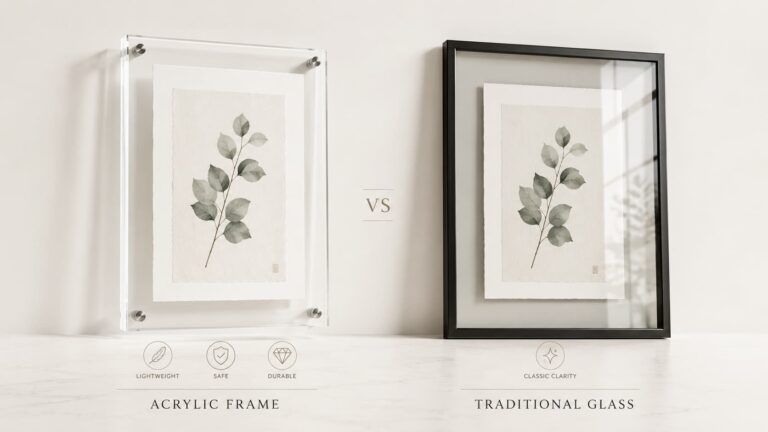
Clear acrylic sheets are often chosen when buyers need a clean, transparent, lightweight, and visually open material for display structures. Compared with opaque materials, clear acrylic allows products, printed graphics, lighting, or background design to remain visible. This makes it suitable for retail counters, product risers, cosmetic displays, brochure holders, protective covers, exhibition displays, and transparent sign panels.
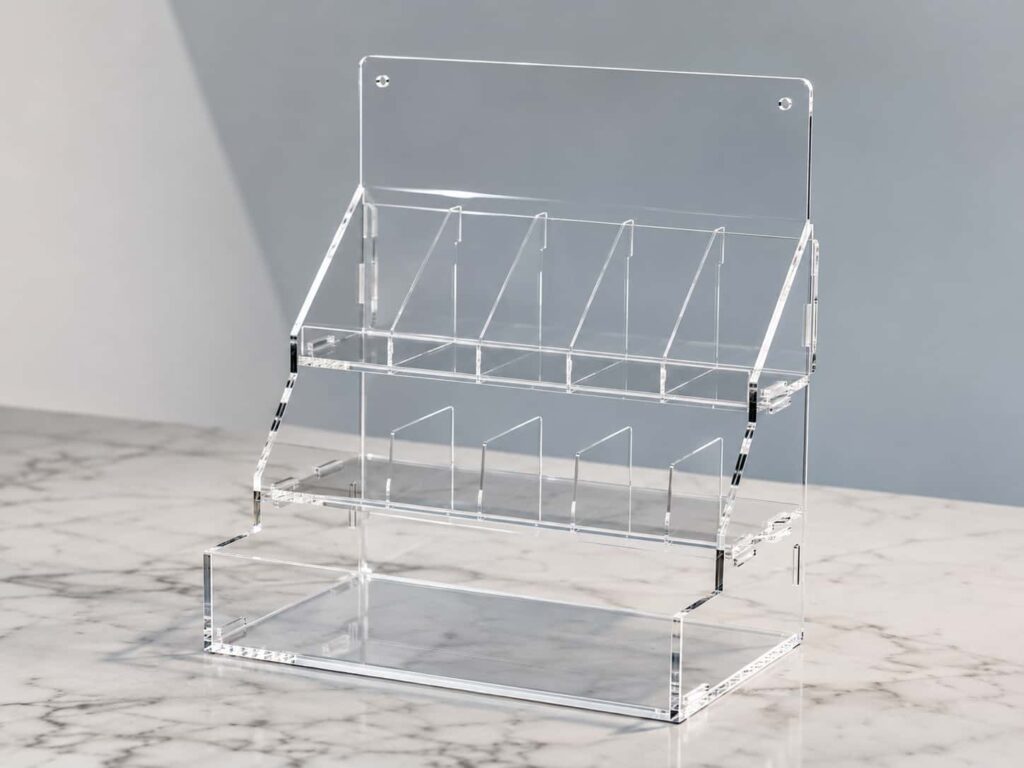
For display manufacturers, the final quality is strongly affected by details that are easy to overlook during material sourcing. A clear panel must not only look transparent. It should also be suitable for cutting, polishing, bonding, bending, packaging, and repeated production.
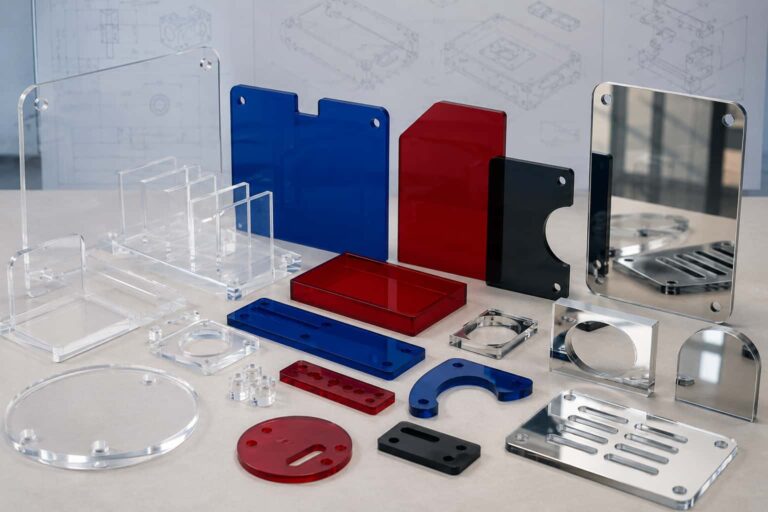
In B2B projects, the buyer usually needs more than standard sheet supply. They may need custom acrylic sheets, cut-to-size panels, CNC-routed parts, laser-cut shapes, polished edges, drilled holes, bent components, or assembled display units. This is why working with a B2B acrylic supplier or custom acrylic sheet manufacturer can help reduce communication gaps between material selection and final fabrication.
CTA: Planning a retail display or POS fixture project? Send your drawing, required thickness, quantity, and finishing requirements for a custom acrylic sheet review.
Request a Custom Material ReviewKey Factors to Confirm Before Choosing Clear Acrylic Sheets
Clear acrylic sheets can be used in many display and signage projects, but the right specification depends on the application. Before confirming material, buyers should discuss thickness, rigidity, clarity, surface protection, cutting method, and edge quality with the supplier.
| Selection Factor | Why It Matters for B2B Projects | What Buyers Should Confirm |
|---|---|---|
| Optical clarity | Affects product visibility and close-view presentation | Sheet grade, surface quality, lighting condition |
| Thickness | Affects rigidity, cost, weight, and assembly stability | Nominal thickness, tolerance needs, support structure |
| Surface protection | Reduces scratches during cutting, handling, and transport | Film type, masking condition, packaging method |
| Cutting method | Influences edge quality, accuracy, and production efficiency | Laser cutting, CNC cutting, saw cutting, or combined process |
| Edge finish | Affects the visual quality of retail and brand fixtures | Polished, sanded, flame-polished, or machined edge |
| Assembly method | Important for glued, slotted, screwed, or bent parts | Bonding, bending, holes, slot fit, and stress risk |
| Packaging | Protects finished parts during international shipping | Film, separators, cartons, pallets, and handling needs |
Optical Clarity and Surface Appearance

For transparent displays, visual cleanliness is a major quality factor. Buyers should pay attention to surface scratches, haze, dust, cutting marks, and edge defects. This is especially important for cosmetic displays, jewelry displays, watch displays, electronic product displays, and other close-view retail environments.
A clear acrylic sheet may be used as a product holder, divider, transparent panel, sign face, or protective cover. Each application has different visual priorities. A protective cover may focus more on rigidity and cleaning resistance, while a brand fixture may require better edge polishing and surface appearance.
Thickness and Rigidity
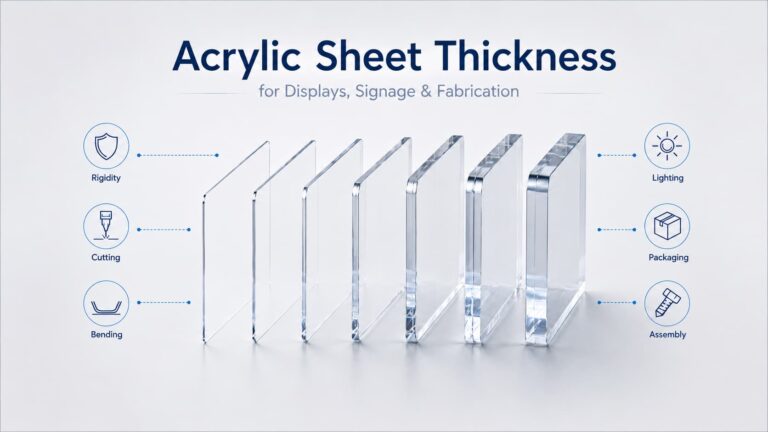
Thickness selection should not be based only on appearance. A thin panel may reduce weight and cost, but it may also flex if the display is large or unsupported. A thicker panel may improve rigidity, but it can increase cost, weight, cutting time, and finishing difficulty.
For slot-fit display structures, buyers should pay special attention to thickness tolerance. If the actual sheet thickness varies too much from the design assumption, the part may become difficult to assemble, too loose, or visually uneven.
Pro Tip
For display manufacturing, do not choose clear acrylic sheets by nominal thickness alone. If the parts require slots, tabs, bonding edges, or tight assembly, confirm actual thickness tolerance and test the structure before mass production.
Common Applications of Clear Acrylic Sheets
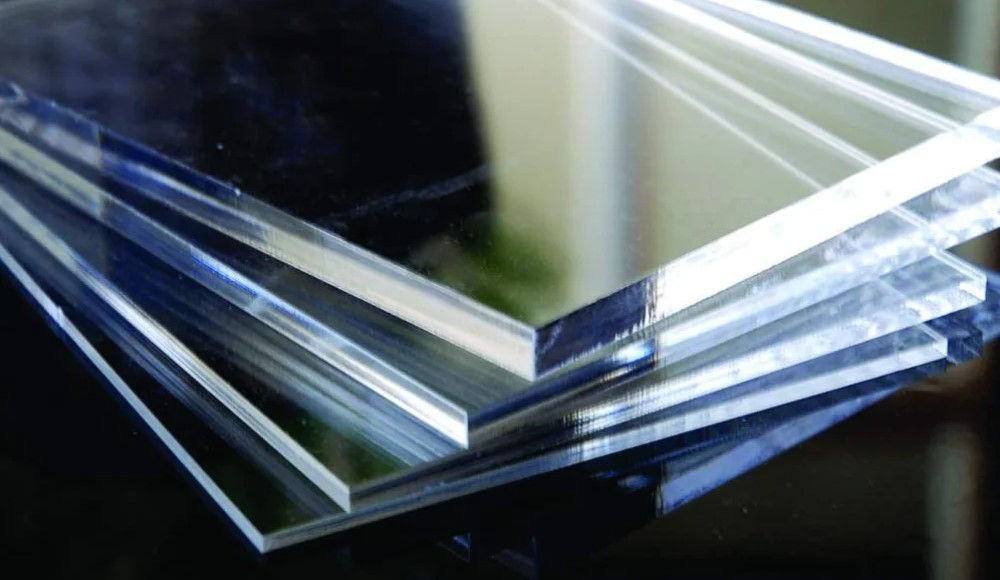
Clear acrylic sheets are used across many display and signage projects. The best sheet specification depends on how the part will be viewed, processed, assembled, and shipped.
| Application | Common Acrylic Use | Key Material Focus |
|---|---|---|
| Retail displays | Product risers, shelves, display stands | Clarity, edge finish, scratch control |
| POS displays | Counter displays, holders, modular parts | Thickness tolerance, slot fit, repeatability |
| Cosmetic displays | High-visibility product presentation | Polished edge, clean surface, packaging protection |
| Sign faces | Transparent or printed sign panels | Light transmission, weather exposure, printing method |
| Protective covers | Dust covers, equipment covers, display shields | Rigidity, transparency, cleaning method |
| Exhibition displays | Temporary display structures and panels | Lightweight design, easy handling, surface protection |
| OEM acrylic parts | Custom-cut or assembled display components | Drawing accuracy, batch consistency, fabrication support |
For signage companies, clear acrylic sheets may be used as sign faces, protective panels, printed panels, or transparent elements in illuminated signs. In these cases, buyers should also confirm whether the sheet will be printed, bonded, drilled, exposed outdoors, or used with lighting.
Cutting Methods for Clear Acrylic Display Parts
Cutting quality is one of the most important details in clear acrylic display manufacturing. A poorly cut edge can affect appearance, assembly, and finishing. The best method depends on part shape, thickness, tolerance, edge requirement, and production quantity.
| Fabrication Method | Suitable For | Advantages | B2B Notes |
|---|---|---|---|
| Laser cutting | Logos, complex shapes, thin parts, decorative panels | Clean shape, flexible design, efficient for detailed profiles | Buyers should confirm whether parts will be bonded, bent, or exposed to solvent cleaning |
| CNC cutting | Slots, holes, assembly parts, thicker panels | Good dimensional control and fit accuracy | Useful for display structures that require repeatable assembly |
| Saw cutting | Straight panels and cut-to-size sheets | Efficient for simple rectangular panels | Usually requires additional edge finishing for visible display parts |
| Edge polishing | Visible edges in retail displays and brand fixtures | Improves visual quality and touch feel | Finish level should match the display grade |
| Bending | Holders, covers, stands, formed display parts | Creates functional shapes from flat sheets | Buyers should confirm bend radius, thickness, and stress concerns |
Laser Cutting
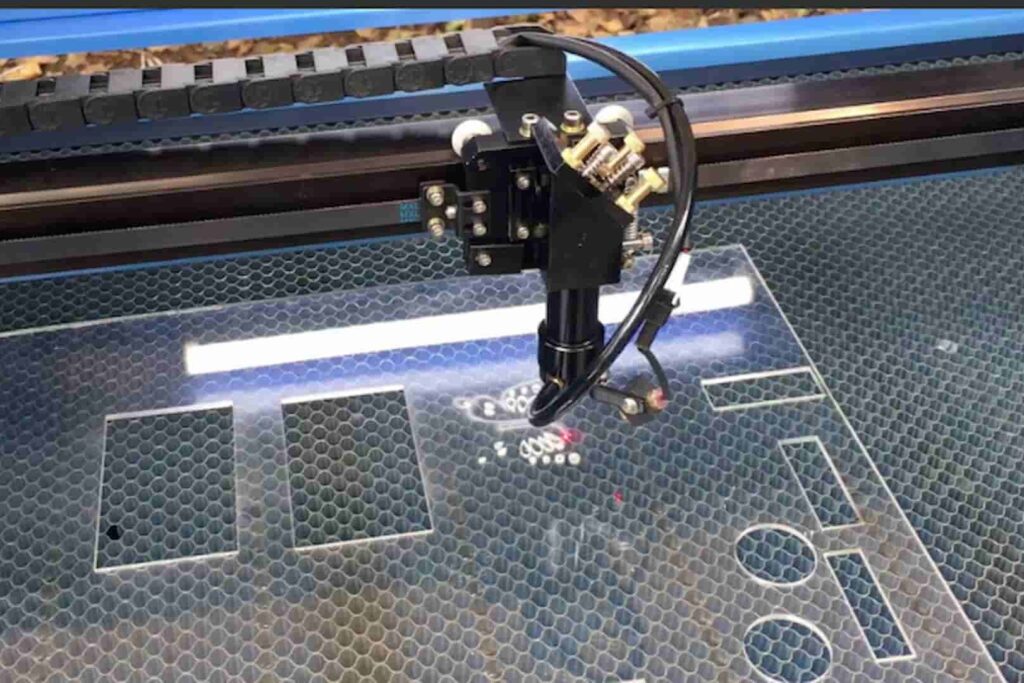
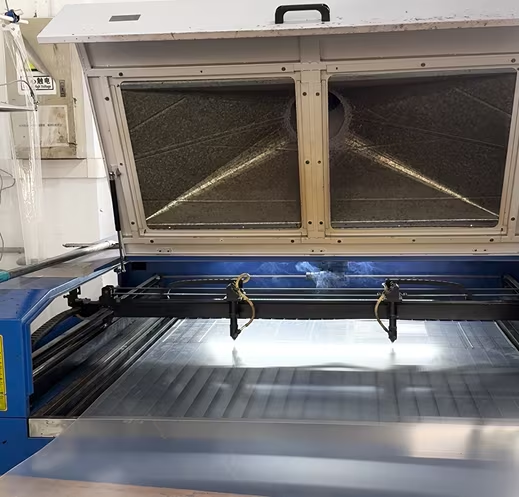
Laser cutting is often used for clear acrylic parts with complex shapes, curves, logos, or small components. It can create a clean-looking edge, especially for thin acrylic sheets. However, buyers should not judge quality only by the appearance of the cut edge. If the part will be bonded, bent, cleaned with solvents, or used under stress, the fabrication process should be discussed in advance.
CNC Cutting
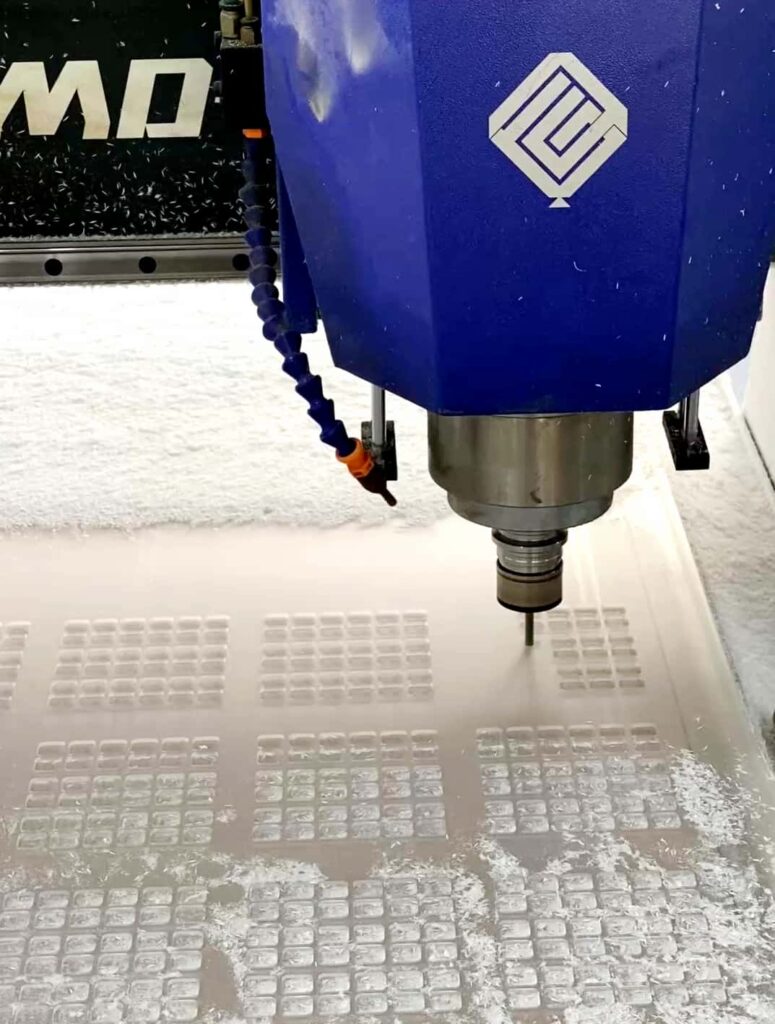
CNC cutting is useful when the project requires holes, slots, grooves, accurate fitting parts, or thicker acrylic panels. For POS displays and modular acrylic display stands, CNC cutting can help improve assembly consistency when drawings and tolerance requirements are clear.
Edge Finishing
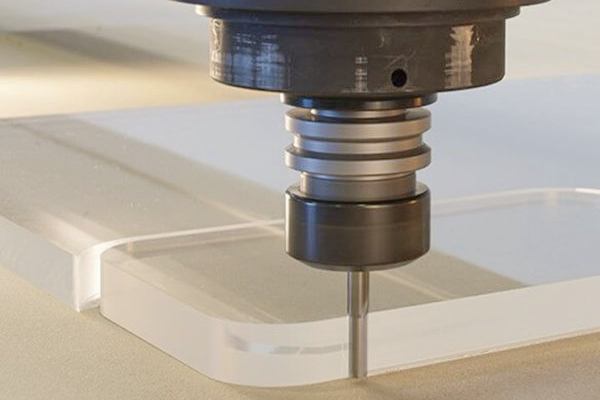
For clear acrylic sheets, edge finishing has a direct impact on the final display appearance. A polished edge can make the part look cleaner and more suitable for high-visibility retail environments. A machined or sanded edge may be acceptable for hidden parts, internal structures, or cost-sensitive applications.
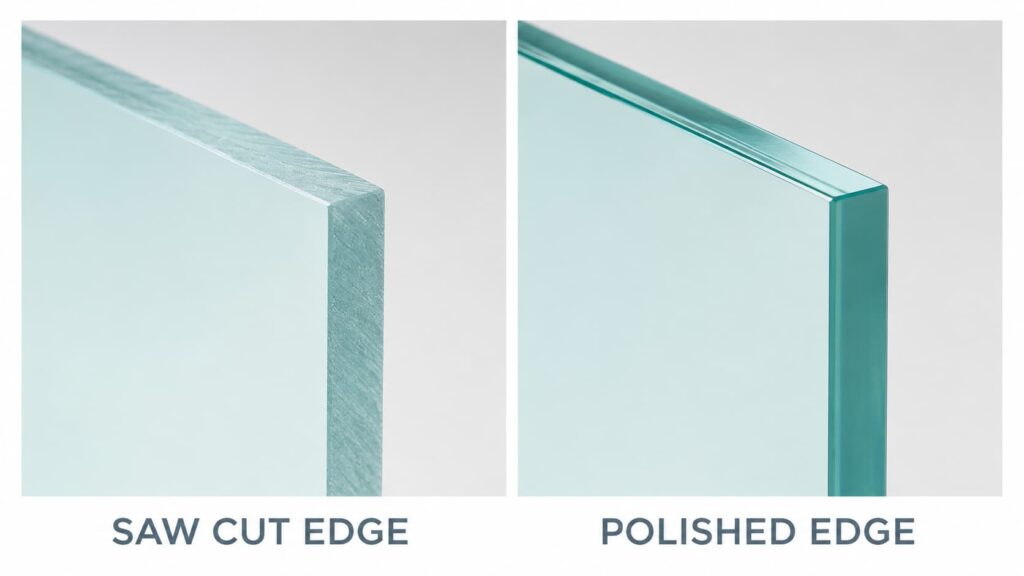
CTA: Need clear acrylic parts for OEM display production? Share your DXF, STEP, or reference drawing, and our team can help review cutting method, edge finish, and material thickness.
Send Display DrawingsCommon Problems and How to Avoid Them
Many quality problems in acrylic display manufacturing come from unclear specifications before production. Buyers can reduce risk by confirming application, fabrication method, tolerance, finishing, and packaging requirements early.
| Common Problem | Possible Cause | How to Reduce Risk |
|---|---|---|
| Cracking or crazing | Stress from cutting, bonding, bending, or cleaning | Confirm fabrication method, bonding process, and stress-sensitive areas |
| Poor slot fit | Thickness tolerance not considered in the design | Test assembly before mass production and confirm actual sheet thickness |
| Rough or uneven edges | Wrong cutting method or insufficient finishing | Specify visible edge requirements before quoting |
| Scratches on surface | Poor handling, weak masking, or insufficient packaging | Confirm protective film and export packaging method |
| Yellowing or burn marks near cut edge | Heat buildup or unsuitable cutting settings | Review laser cutting settings and edge quality requirements |
| Inconsistent display appearance | Different batches, finishes, or processing methods | Confirm samples and batch consistency before production |
Crazing and Stress Cracking
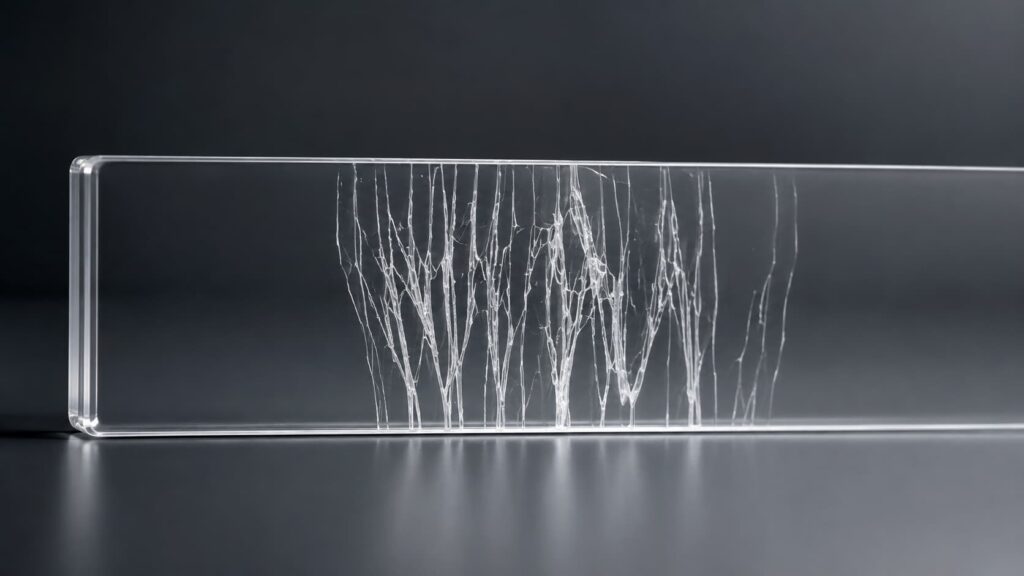
Crazing can appear as fine cracks or stress marks, especially when acrylic parts are exposed to stress, solvent, or improper processing conditions. For B2B buyers, this is important when parts will be glued, bent, cleaned, or used in tight assemblies. The risk is not always visible immediately after cutting, so buyers should discuss the full application process with the supplier.
Surface Protection and Packaging
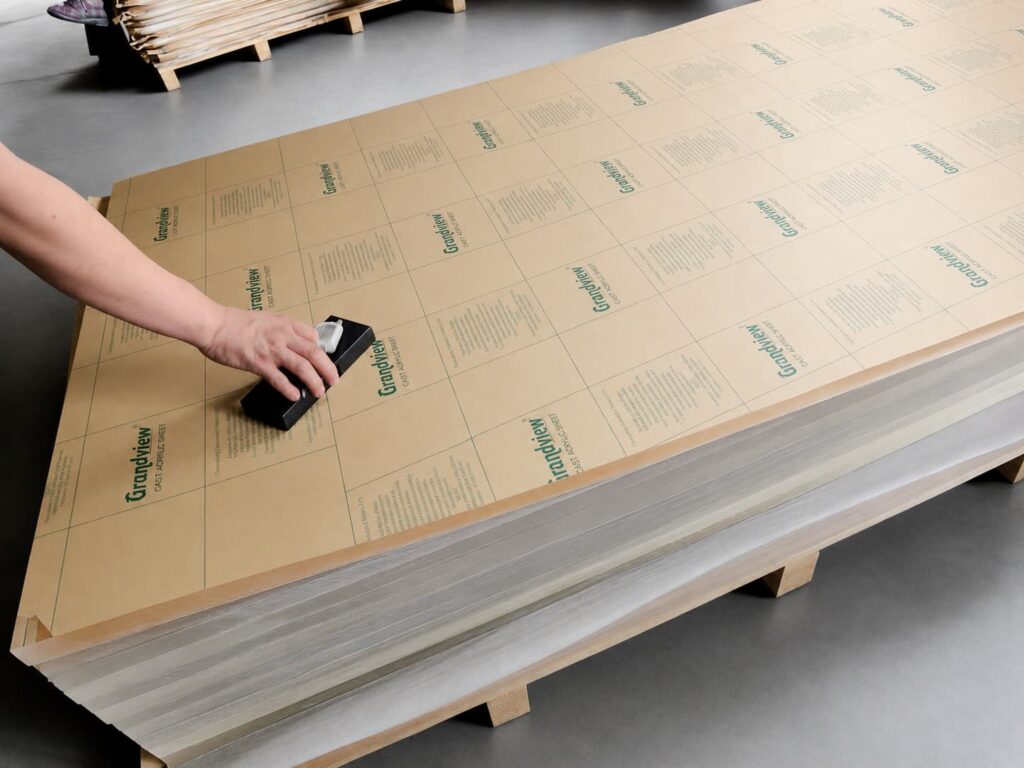
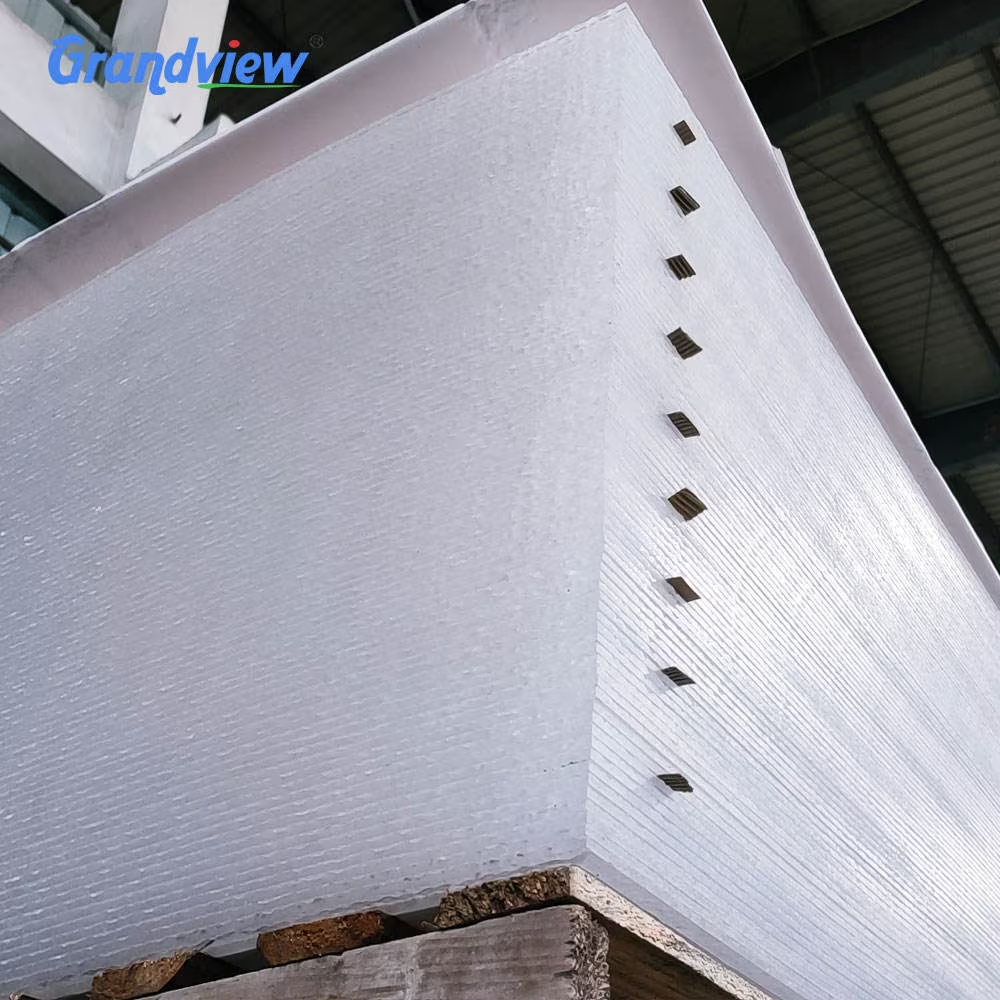
Clear acrylic sheets show scratches more easily than many opaque materials. For international B2B orders, surface protection and packaging are part of the product quality. Protective film, separators, cartons, corner protection, and pallet packing can all affect how the material arrives at the buyer’s factory or assembly site.
Important Note
Acrylic sheet performance can vary by grade, thickness, production method, surface finish, and fabrication process. For B2B display projects, buyers should confirm samples, drawings, tolerance, and finishing details before bulk production.
What to Prepare Before Requesting a Custom Acrylic Sheet Quote
A clear inquiry helps the acrylic sheet factory recommend suitable material and fabrication options. Instead of asking only for a general price, B2B buyers should prepare project details that affect production.
| Information to Prepare | Why It Matters |
|---|---|
| Application | Helps the supplier understand display, signage, or protective use |
| Sheet size or part dimensions | Affects material planning and cutting method |
| Required thickness | Influences rigidity, weight, cost, and assembly |
| Drawing or reference image | Improves accuracy for custom fabrication |
| Quantity | Affects production planning and packaging |
| Edge finish | Determines polishing, sanding, or machining requirements |
| Holes, slots, or bending | Affects CNC routing, tooling, and tolerance control |
| Indoor or outdoor use | Helps evaluate material and surface requirements |
| Lighting or printing | Important for sign faces and illuminated displays |
| Packaging requirements | Reduces surface damage during transport |
For OEM display projects, it is also helpful to provide target assembly method, tolerance requirements, sample photos, and any existing problems from previous suppliers.
Why Work with an Acrylic Sheet Manufacturer for Display Projects?
For simple material needs, standard sheets may be enough. But for display manufacturing, signage projects, and OEM acrylic parts, buyers often need more than basic sheet supply. They need material selection, fabrication review, cutting support, edge finishing, packaging planning, and stable communication throughout the project.
Working with an acrylic sheet manufacturer or acrylic sheet factory can help buyers connect material choice with production requirements. This is especially useful when the project involves clear acrylic sheets, colored acrylic sheets, mirror acrylic sheets, custom acrylic displays, sign faces, laser cutting, CNC cutting, bending, polishing, or repeated batch production.
Grandview Acrylic supports B2B buyers with acrylic sheet supply and custom acrylic fabrication for display, signage, and OEM applications. The goal is not only to provide material, but also to help buyers reduce avoidable problems in cutting, finishing, assembly, and shipment.
CTA: Not sure which clear acrylic sheet fits your display, signage, or fixture project? Send your application, size, thickness, and finishing requirements for a practical recommendation.
Ask for Sheet RecommendationFAQ
Yes. Clear acrylic sheets are commonly used for retail displays, product stands, POS displays, cosmetic displays, protective covers, and transparent display structures. Buyers should confirm thickness, edge finish, scratch protection, and fabrication method based on the final application.
There is no single best thickness for all POS displays. The right choice depends on display size, load, support structure, assembly method, and visual requirements. Buyers should confirm thickness with the supplier based on drawings and usage conditions.
Yes. Clear acrylic sheets can be laser cut, CNC cut, saw cut, drilled, polished, bent, or fabricated into custom parts. Laser cutting is often used for detailed shapes, while CNC cutting is useful for slots, holes, grooves, and fit-sensitive display parts.
Buyers should confirm the fabrication method, bonding process, bending requirements, cleaning method, and stress-sensitive areas before production. If the part will be bonded or used in a tight assembly, the supplier should review the drawing and processing conditions carefully.
Visible display edges usually require a cleaner finish, such as polished or carefully processed edges. Hidden structural parts may not need the same finish level. The best choice depends on the visual standard, budget, and final display position.
Yes. Clear acrylic sheets can be used for sign faces, protective panels, printed panels, display signage, and illuminated sign components. Buyers should confirm light transmission, printing method, outdoor exposure, thickness, and fabrication requirements.
Prepare the application, dimensions, thickness, quantity, drawing or reference image, edge finish, holes or bending requirements, indoor or outdoor use, lighting or printing needs, and packaging expectations. These details help the supplier provide a more accurate recommendation.
Conclusion
Clear acrylic sheets are more than transparent plastic panels. In B2B display manufacturing, they affect product visibility, display structure, cutting quality, edge appearance, assembly stability, packaging safety, and final brand presentation. For retail displays, POS displays, signage, and OEM acrylic display materials, buyers should evaluate clarity, thickness, tolerance, cutting method, edge finishing, and surface protection before confirming production.
Grandview Acrylic works with international B2B buyers who need acrylic sheet supply and custom fabrication support for display and signage projects. If you are planning a clear acrylic display, sign panel, protective cover, or OEM acrylic component, send your drawings, dimensions, thickness, quantity, application details, and finishing requirements for a custom review.
References and Further Reading
The following neutral resources are provided for readers who want to review general PMMA acrylic sheet specifications, optical clarity, light transmission, thickness tolerance, cutting methods, edge quality, bending, stress-related fabrication risks, cleaning, and signage-grade acrylic applications. They are included to support technical understanding, not to compare competitor pricing or product claims.
ASTM International — ASTM D4802 Standard Specification for PMMA Acrylic Plastic Sheet
Useful for understanding general specification language for monolithic poly(methyl methacrylate) acrylic plastic sheets, including luminous transmittance, haze, thermal stability, impact strength, spectral transmittance, abrasion resistance, and chemical resistance. View source
ACRYLITE® — Cell Cast Acrylic Sheet Physical Properties
Useful for reviewing clear acrylic sheet characteristics such as optical performance, thickness tolerance, light stability, weather resistance, rigidity, stress behavior, and common applications including retail store displays, luminaries, decorative panels, and signs. View source
ACRYLITE® — Thickness Tolerance of Extruded Acrylic Sheet
Helpful for understanding why thickness tolerance can affect visual clarity, display appearance, uniform light transmission, color consistency, and the final look of acrylic display and signage applications. View source
Plaskolite — OPTIX-L Continuous Cast Acrylic Sheet Fabrication Guide
Useful for reviewing acrylic sheet fabrication considerations such as optical clarity, weatherability, light transmittance, thickness tolerance, thermoforming, care, cleaning, and general processing guidance for clear acrylic sheet applications. View source
Plaskolite — OPTIX® Acrylic Sheet Fabrication Guide
Useful for understanding general fabrication topics such as cutting, machining, finishing, forming, annealing, and how processing conditions may affect acrylic sheet edge quality and internal stress. View source
PLEXIGLAS® — Cutting PLEXIGLAS® Acrylic Sheet
Useful for understanding how the choice of cutting method and tool can depend on acrylic sheet thickness, desired cut-edge form, and processing requirements for display panels, signage inserts, and custom fabricated clear acrylic parts. View source
PLEXIGLAS® — Bending and Forming Acrylic Sheet
Helpful for understanding surface heating, linear heating, mold preparation, protective film removal, cooling, and other forming considerations before selecting acrylic sheet thickness for bent display or signage components. View source
ACRYLITE® — LED Sign Grade Acrylic Fabrication Manual
Useful for reviewing acrylic sheet use in LED sign applications, including light transmission, LED light diffusion, weatherability, cutting operations, saw selection, vibration control, and edge quality considerations. View source
ACRYLITE® — Care, Cleaning, and Maintaining Acrylic Sheet
Useful for reviewing general care and cleaning guidance for acrylic sheet surfaces, including washing, rinsing, drying, wiping, and scratch-control considerations for visible display surfaces, protective covers, and signage panels. View source
Note: Clear acrylic sheet selection can vary by material grade, sheet type, thickness, surface finish, fabrication method, cutting process, edge finishing requirement, lighting condition, indoor or outdoor use, tolerance requirement, packaging method, and final application. Buyers should confirm project-specific details with their acrylic sheet supplier, fabrication partner, engineer, or project team before mass production.