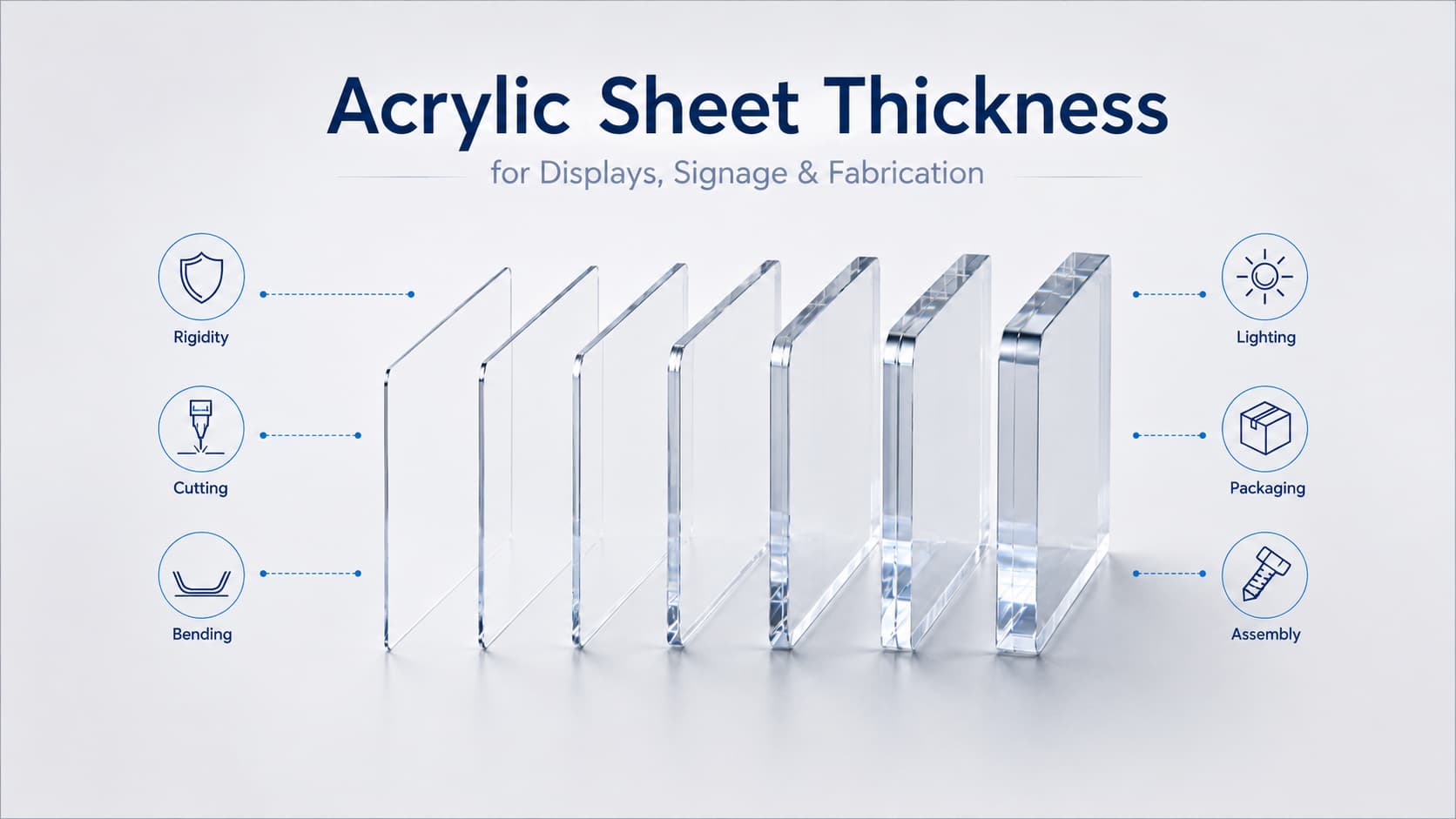
Choosing the right acrylic sheet thickness is not only a material decision. For B2B display, signage, and fabrication projects, thickness can affect appearance, rigidity, cutting quality, bending stability, light transmission, packaging safety, and final assembly.
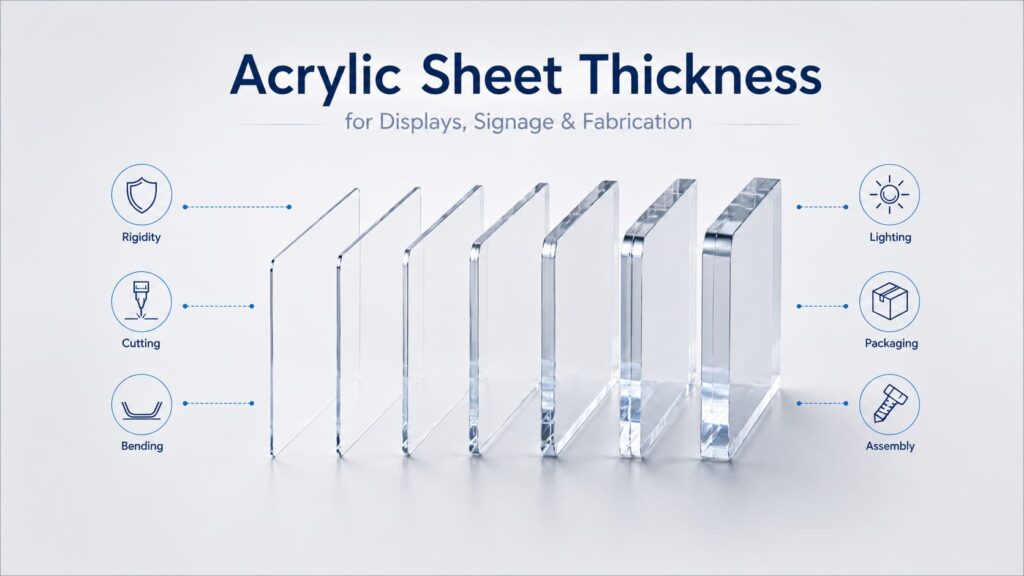
A sheet that is too thin may flex, warp, or feel unstable in a retail display. A sheet that is too thick may increase material cost, slow down fabrication, make edge finishing more difficult, or create a heavier structure than the project needs. For signage and illuminated displays, thickness also works together with color, surface finish, LED lighting, and installation conditions.
This guide is written for retail display companies, POS display manufacturers, signage companies, brand fixture designers, store fixture contractors, OEM buyers, B2B distributors, and acrylic fabricators who need practical guidance before requesting a custom acrylic sheet or fabrication quote.
What This Article Covers
This guide helps B2B buyers understand how acrylic sheet thickness affects retail displays, POS fixtures, signage, sign faces, and custom fabrication projects.
Thickness & Project Fit
Learn how acrylic sheet thickness affects rigidity, appearance, handling, assembly, and long-term performance in B2B display and signage projects.
Displays & Signage Uses
Compare common thickness options for POS displays, retail fixtures, sign faces, illuminated signage, decorative panels, and OEM acrylic parts.
Material Performance
Understand how color consistency, light transmission, edge finish, surface protection, and thickness tolerance affect final product quality.
Fabrication Impact
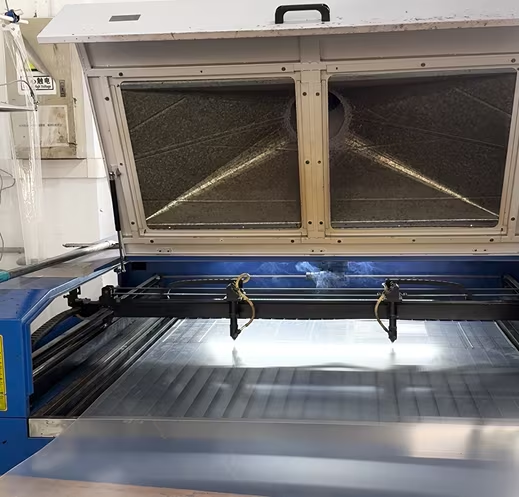
See how thickness may influence laser cutting, CNC cutting, polishing, bending, bonding, printing, packaging, and custom acrylic fabrication.
Quote Preparation
Prepare drawings, size, color, thickness, quantity, application details, fabrication needs, and packaging requirements before requesting a quote.
Why Acrylic Sheet Thickness Matters for B2B Projects
In a retail or signage project, acrylic sheet thickness must support both function and visual quality. A display panel needs to hold its shape. A POS stand needs enough rigidity for repeated use. A sign face may need good light diffusion and stable color appearance. A mirror acrylic panel needs surface protection during cutting, handling, and export shipping.
For B2B buyers, the most common mistake is choosing thickness only by appearance or price. In real production, thickness should be considered together with span, support structure, fabrication method, color, finish, and order quantity.
For example, a thin acrylic sheet may work well as a printed insert, decorative overlay, or sign panel layer, but may not be suitable for a wide unsupported shelf. A thicker acrylic sheet may look more solid, but it may require more cutting time, extra polishing work, and stronger packaging.
Common Acrylic Sheet Thickness Options and Typical Uses
Acrylic sheets are available in many thicknesses, depending on grade, production method, color, and supplier capability. The right choice is project-specific. Buyers should confirm final thickness with their acrylic sheet manufacturer or fabrication partner before mass production.
| Thickness Range | Common B2B Uses | Key Considerations |
|---|---|---|
| 1.5–2mm | Display overlays, printed inserts, decorative panels, protective covers, thin signage layers | Lightweight and flexible; needs careful handling and surface protection |
| 3mm | POS display panels, laser-cut parts, signage inserts, store display components | Common balance of weight, cost, and fabrication flexibility |
| 4–5mm | Retail displays, small stands, sign faces, product display panels | Better rigidity for many display applications; still suitable for common fabrication methods |
| 6–8mm | Premium display parts, thicker panels, stronger fixtures, selected structural components | Stronger visual presence; may require more controlled cutting and polishing |
| 10mm+ | Heavy-duty parts, special display structures, blocks, custom fabricated components | Project-specific; buyers should confirm machining, bonding, edge finish, and cost impact |
These ranges are general references only. Final thickness should depend on the actual design, support points, expected use, fabrication process, and required appearance.
Acrylic Sheet Thickness by Application
Different applications require different acrylic sheet features. Thickness is important, but it is only one part of the selection process. B2B buyers should also consider color consistency, light transmission, surface finish, edge quality, and fabrication requirements.
Retail Displays and POS Displays

Retail displays and POS displays often use clear acrylic sheets, colored acrylic sheets, frosted acrylic, or mirror acrylic depending on the brand concept. For small panels, inserts, and lightweight display parts, thinner sheets may be suitable. For display stands, shelves, or parts with wider spans, medium thickness sheets are often preferred.
Buyers should check whether the display will be freestanding, supported by a frame, bonded with other acrylic parts, or assembled with metal, wood, or printed graphics.
Sign Faces and Illuminated Signage

For signage, thickness must work together with light transmission, color, diffusion, and installation conditions. A sign face for an illuminated sign or lightbox should not be selected only by color. Buyers should confirm how the acrylic sheet performs under lighting, whether the color remains visually consistent, and whether the thickness supports the required panel size.
For illuminated applications, acrylic sheet selection may also depend on LED spacing, cabinet depth, surface finish, printing method, and outdoor exposure.
Brand Fixtures and Store Fixtures

Brand fixture designers often care about visual consistency across stores or repeated production runs. In this case, thickness tolerance, batch color consistency, edge finish, and surface protection can be more important than simply choosing the lowest-cost sheet.
If a brand fixture includes slots, grooves, bent parts, bonded panels, or repeated modular components, buyers should provide drawings before confirming final material specifications.
Mirror Acrylic and Decorative Panels

Mirror acrylic sheets are widely used for decorative displays, cosmetic displays, retail fixtures, and visual merchandising. For these projects, surface protection is critical. Buyers should confirm masking film, handling method, cutting process, and packaging before production, especially for export orders.
| Application | Recommended Acrylic Features | What Buyers Should Check |
|---|---|---|
| POS displays | Clear or colored acrylic, commonly medium-thin sheets | Rigidity, edge finish, bonding area, part size |
| Retail fixtures | Clear, colored, frosted, or mirror acrylic | Scratch visibility, color consistency, CNC accuracy |
| Sign faces | Clear, opal, translucent, or colored acrylic | Light transmission, diffusion, outdoor conditions |
| Illuminated signs | Light-diffusing or translucent acrylic | LED layout, color shift, panel flatness |
| Decorative panels | Mirror acrylic or colored acrylic | Masking film, surface protection, packaging |
| OEM fabricated parts | Custom color, custom thickness, cut-to-size acrylic sheets | Tolerance, drawings, repeatability, quantity |
Key Factors Beyond Thickness
Thickness Tolerance
For simple flat panels, a small thickness difference may not matter much. For CNC-cut parts, interlocking displays, slots, grooves, and assembled fixtures, thickness tolerance can affect fit and assembly quality.
If your design requires tight fitting, do not only specify “3mm acrylic” or “5mm acrylic.” Provide drawings, slot dimensions, assembly details, and tolerance expectations so the supplier can review manufacturability.
Color Consistency
Colored acrylic sheets are often used for brand fixtures, POS displays, signage, and decorative panels. For B2B projects, color selection should not rely only on a digital image. The same color may look different under store lighting, daylight, LED lighting, or behind printed graphics.
Pro Tip
For B2B display projects, confirm physical samples, sheet thickness, lighting conditions, and batch consistency before mass production. This is especially important for brand fixtures and repeated OEM display projects.
Light Transmission
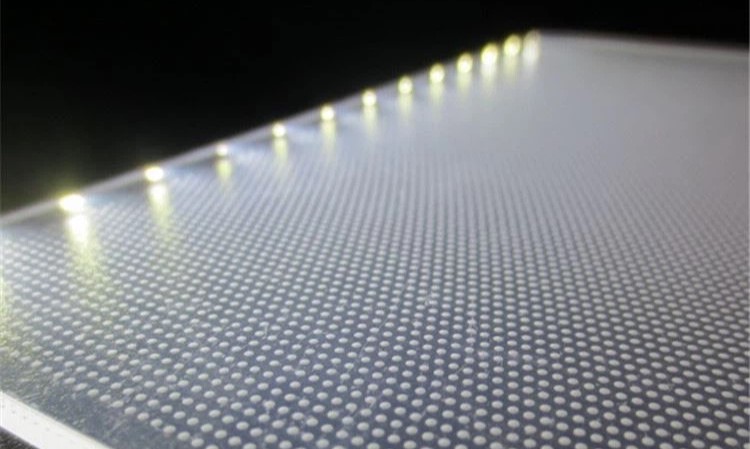
For illuminated signs and lightboxes, acrylic sheet thickness and color can affect light transmission and visual uniformity. A sheet that looks good under normal room lighting may appear different when illuminated from behind.
Buyers should confirm whether the sheet is intended for direct-view panels, backlit signs, diffused lightboxes, or decorative lighting effects. For signage companies, this step can help reduce problems such as uneven brightness, hotspots, or unexpected color shift.
Edge Finish
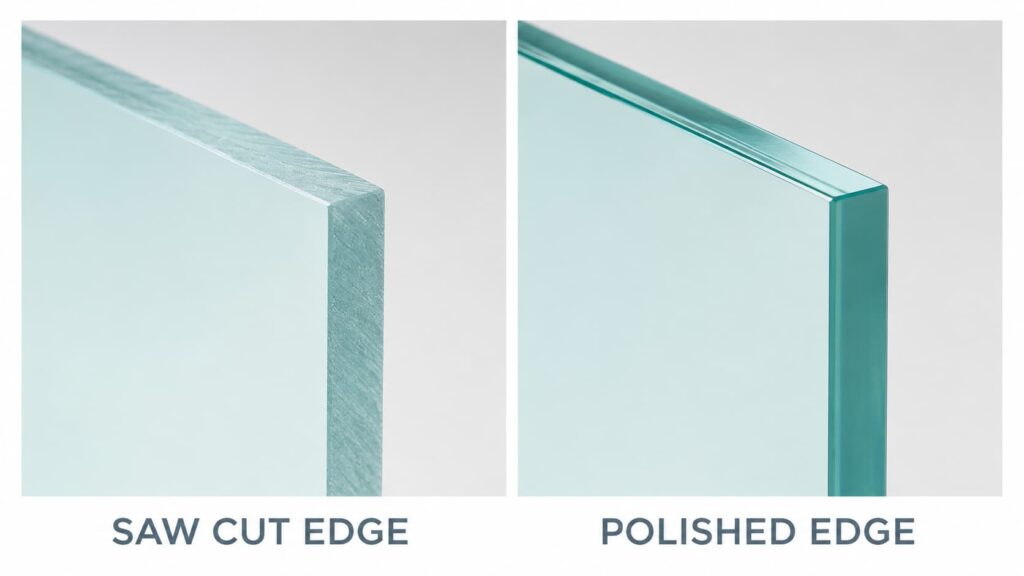
Acrylic edges may be left as-cut, flame polished, buff polished, or diamond polished depending on the project requirement. Thicker sheets and visible edges usually require more attention to finishing quality.
For retail displays, transparent parts, and premium visual merchandising fixtures, edge finish can strongly influence the final appearance. If the edge will be exposed to customers, confirm the required finish before requesting a quote.
Surface Protection and Packaging
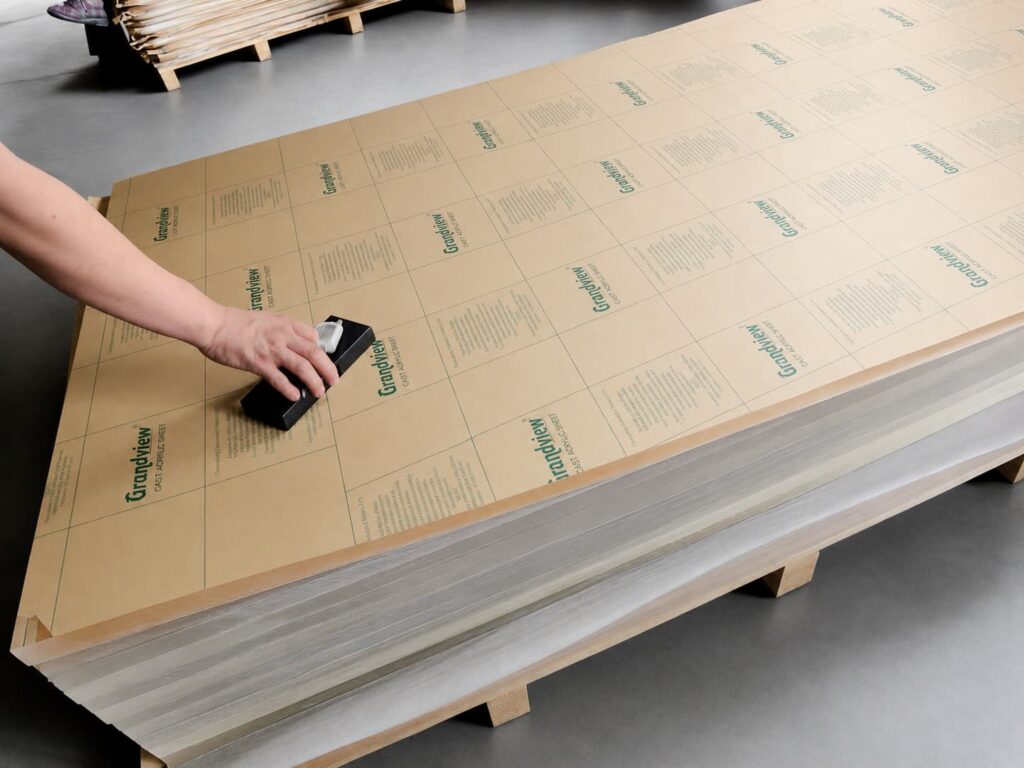
Glossy, clear, and mirror acrylic sheets can be sensitive to scratches during cutting, stacking, assembly, and shipping. For export orders or OEM display projects, buyers should discuss masking film, protective layers, carton packing, pallet packing, and handling requirements.
This is especially important when acrylic sheets will be used directly as visible display surfaces.
How Thickness Affects Fabrication
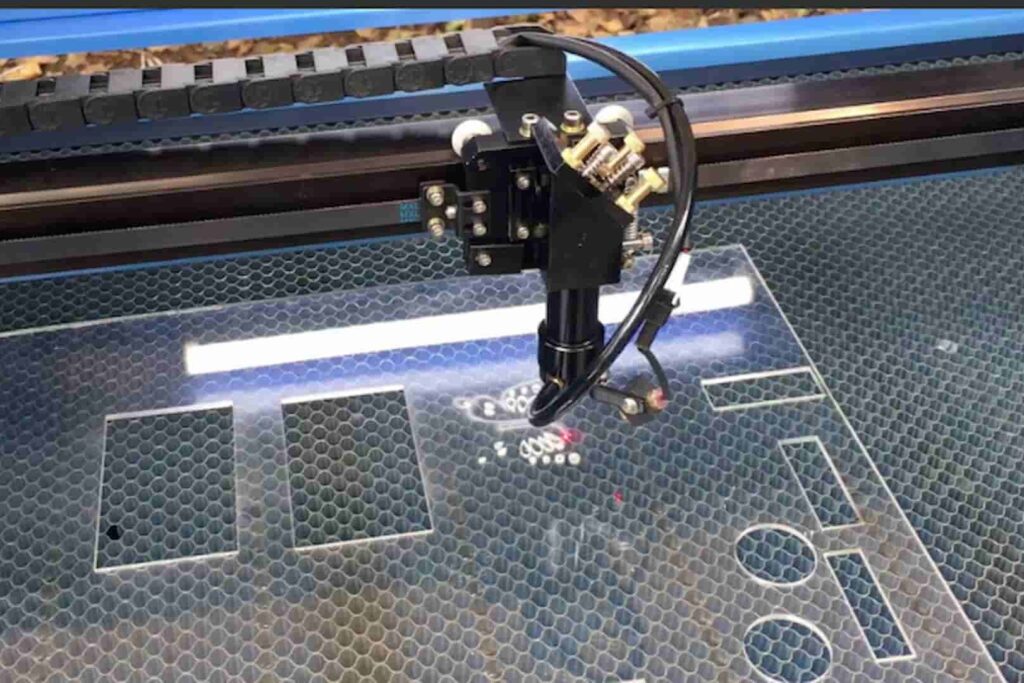
Acrylic sheet thickness can influence fabrication speed, edge quality, bending behavior, and assembly method. The same sheet may perform differently depending on color, grade, surface finish, and equipment settings.
| Fabrication Process | Why Thickness Matters | Buyer Note |
|---|---|---|
| Laser cutting | Thin and medium sheets are often efficient to cut | Confirm edge color, melting, and dimensional requirements |
| CNC cutting | Useful for thicker sheets, slots, grooves, and accurate parts | Provide drawings for tolerance review |
| Bending | Heat behavior changes by thickness, color, and part design | Confirm bend radius and cracking risk |
| Polishing | Thicker visible edges may need more finishing work | Choose finish based on final appearance |
| Bonding | Joint design and fixture time may vary | Share assembly drawings before production |
| Printing | Thickness and color affect visual result | Test samples for brand-critical projects |
| Packaging | Thin, glossy, or mirror sheets need protection | Confirm masking and export packing requirements |
Important Note
Recommended thickness ranges should be used as project discussion references, not fixed rules. Final thickness should be confirmed based on design, application, support structure, fabrication method, lighting condition, and supplier review.
Clear, Colored, and Mirror Acrylic: Which Thickness Works Best?
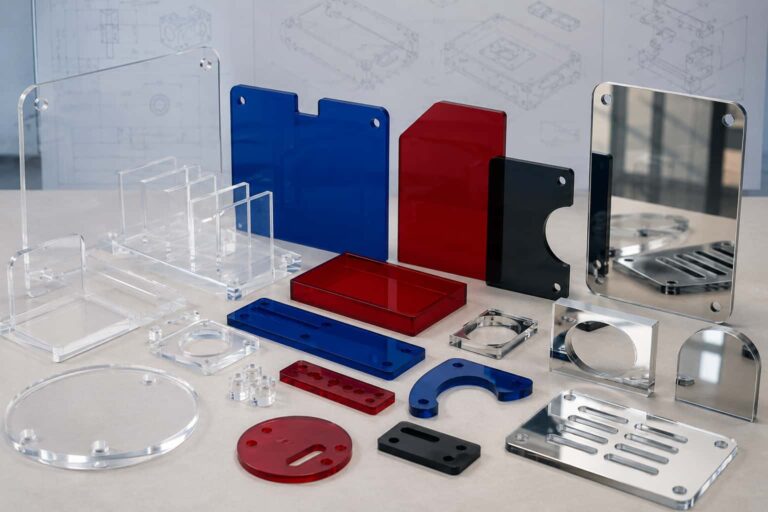
Different acrylic sheet types serve different project goals. Clear acrylic is often selected for visibility and transparency. Colored acrylic is used for brand expression, decorative panels, signage, and display design. Mirror acrylic is suitable for visual impact, retail display backgrounds, cosmetic displays, and decorative fixtures.
| Acrylic Type | Typical B2B Applications | Selection Focus |
|---|---|---|
| Clear acrylic sheets | Display cases, POS displays, protective covers, transparent panels | Clarity, thickness, edge finish, scratch control |
| Colored acrylic sheets | Brand fixtures, signage, decorative displays, product displays | Color consistency, lighting condition, batch stability |
| Mirror acrylic sheets | Retail displays, cosmetic displays, decorative panels | Surface protection, masking, cutting quality |
| Frosted acrylic sheets | Light diffusion, privacy panels, display backgrounds | Surface finish, light effect, cleaning requirements |
| Translucent acrylic sheets | Lightboxes, illuminated signs, sign faces | Light transmission, color under LED lighting |
Choose Acrylic Type by Project Priority
Instead of choosing by material name alone, B2B buyers should first identify the main project priority: transparency, brand color, visual impact, diffusion, or illuminated performance.
Need visibility?
Clear acrylic is usually the first choice when the project needs transparency, product visibility, or clean protective coverage.
Need brand color?
Colored acrylic works better when the display or signage needs color expression, brand consistency, or decorative impact.
Need visual impact?
Mirror acrylic is suitable when the design needs a reflective surface, stronger shelf presence, or cosmetic display effect.
Need soft diffusion?
Frosted acrylic is useful for softer visual effects, privacy panels, light diffusion, and display backgrounds.
Need lighting effect?
Translucent acrylic is more suitable for lightboxes, illuminated signs, and sign faces where LED color performance matters.
Common Mistakes to Avoid
Many acrylic sheet problems happen before production starts. A better specification process can reduce defects, delays, and unnecessary cost.
| Common Mistake | Possible Result | How to Avoid It |
|---|---|---|
| Choosing thickness only by price | Flexible or unstable display parts | Match thickness with design and support structure |
| Copying another product without checking design | Poor fit or unexpected bending | Review span, load, fixing method, and assembly |
| Ignoring color samples | Color mismatch in bulk production | Confirm physical samples before mass production |
| Forgetting lighting conditions | Uneven or unexpected sign appearance | Test sheet color and thickness under lighting |
| Not providing drawings | Inaccurate quote or fabrication risk | Send drawings, dimensions, and assembly details |
| Ignoring surface protection | Scratches during shipping or assembly | Confirm masking film and packaging |
| Selecting thickness before confirming fabrication | Edge, bending, or bonding issues | Review cutting, bending, polishing, and bonding needs first |
What B2B Buyers Should Prepare Before Requesting a Quote
A clear inquiry helps your acrylic sheet factory recommend the right material faster and more accurately. Instead of asking only for a square meter price, prepare the information below.
| Information to Prepare | Why It Matters |
|---|---|
| Application | Display, signage, fixture, lightbox, protective panel, decorative part |
| Thickness | Helps estimate rigidity, cutting method, and material use |
| Color or finish | Clear, colored, mirror, frosted, translucent, custom color |
| Sheet size or part size | Needed for material planning and cutting layout |
| Drawings or reference images | Helps review fabrication feasibility |
| Quantity | Affects material preparation, production method, and packaging |
| Indoor or outdoor use | Influences material and surface requirements |
| Lighting condition | Important for sign faces and illuminated displays |
| Fabrication needs | Cutting, drilling, bending, polishing, printing, bonding |
| Packaging requirements | Important for mirror acrylic, glossy surfaces, and export orders |
For OEM display projects, ask our team about color matching, cutting, bending, polishing, and packaging support. Clear drawings and application details help reduce back-and-forth communication and make the quotation more useful.
Why Work with an Acrylic Sheet Manufacturer for Custom Projects?
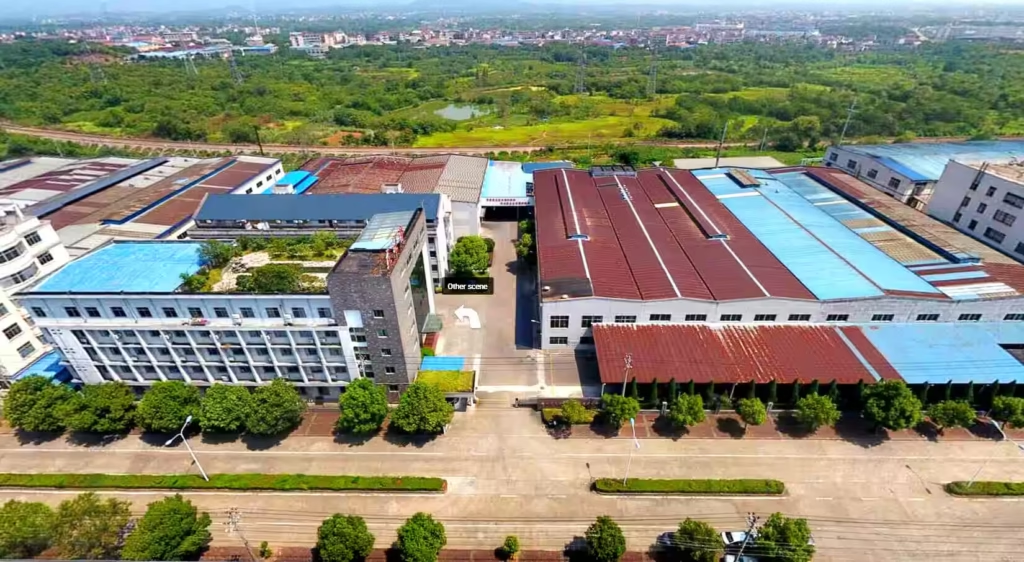
For one-off simple panels, buyers may only compare price. For B2B display and signage projects, a reliable acrylic sheet manufacturer or B2B acrylic supplier can provide more value through material consistency, fabrication support, and project communication.
A factory partner can help review whether the selected thickness is suitable for cutting, bending, polishing, bonding, printing, or assembly. For colored acrylic sheets and mirror acrylic sheets, the supplier can also support sample confirmation, batch consistency discussion, surface protection, and packaging planning.
Grandview Acrylic supports B2B buyers with thin acrylic sheets, clear acrylic sheets, colored acrylic sheets, mirror acrylic sheets, and custom acrylic fabrication for display and signage applications. If you are developing a retail display, POS fixture, sign face, or OEM acrylic component, send your project details for a practical recommendation.
FAQ
There is no single best thickness for all retail displays. Small inserts or decorative panels may use thinner sheets, while display stands, shelves, or wider panels usually need more rigidity. Buyers should consider span, support points, assembly method, and final appearance before selecting thickness.
3mm acrylic is commonly used in many POS display components, but suitability depends on part size, design, support structure, and usage. For larger parts or load-bearing areas, buyers should confirm the design with the supplier before production.
Signage thickness depends on panel size, lighting, installation method, indoor or outdoor use, and whether the sheet is used as a sign face, insert, or decorative layer. For illuminated signage, light transmission and diffusion should also be reviewed.
Yes, many colored acrylic sheets can be laser cut or CNC cut. However, edge appearance, cutting quality, and tolerance may vary by color, thickness, sheet grade, and equipment settings. Buyers should confirm fabrication requirements before bulk production.
Thicker sheets usually require more controlled heating and bending conditions. Color, sheet type, part size, and bend radius can also affect bending stability. If the part needs bending, provide drawings and bending requirements before confirming the final material.
Clear acrylic works well for transparent display panels and protective covers. Colored acrylic is useful for brand fixtures, signage, and decorative displays. Mirror acrylic is suitable for visual merchandising and decorative surfaces, but it requires careful surface protection and packaging.
Prepare the application, thickness, color or finish, size, quantity, drawings, fabrication requirements, indoor or outdoor use, lighting conditions, and packaging needs. This helps the supplier recommend suitable acrylic sheet options and provide a more accurate quote.
Conclusion
Choosing acrylic sheet thickness for displays, signage, and custom fabrication is not just about selecting a number. The right decision should consider application, rigidity, color consistency, light transmission, thickness tolerance, edge finish, fabrication method, and packaging requirements.
For B2B buyers, the most reliable approach is to review thickness together with the full project design. A display panel, sign face, mirror acrylic surface, or OEM acrylic component may all require different material features even when the nominal thickness looks similar.
Grandview Acrylic works with B2B buyers on acrylic sheet supply and custom fabrication for retail displays, POS displays, signage, brand fixtures, and OEM projects. Send your drawings, thickness, color, size, quantity, and application details to discuss suitable acrylic sheet options for your next project.
References and Further Reading
The following neutral resources are provided for readers who want to review general PMMA acrylic sheet specifications, thickness tolerance, optical properties, light transmission, cutting, bending, polishing, cleaning, signage-grade acrylic materials, and fabrication considerations. They are included to support technical understanding, not to compare competitor pricing or product claims.
ASTM International — ASTM D4802 Standard Specification for PMMA Acrylic Plastic Sheet
Useful for understanding general specification language for monolithic poly(methyl methacrylate) acrylic plastic sheets, including classification, luminous transmittance, haze, shrinkage, thermal stability, impact strength, spectral transmittance, abrasion resistance, and chemical resistance. View source
ACRYLITE® — Cell Cast Acrylic Sheet Physical Properties
Useful for reviewing general acrylic sheet characteristics such as optical performance, thickness tolerances, light stability, weather resistance, rigidity, weight, and common applications including retail store displays, decorative paneling, luminaries, and signs. View source
ACRYLITE® — Thickness Tolerance of Extruded Acrylic Sheet
Helpful for understanding why thickness tolerance can affect visual clarity, display appearance, uniform light transmission, consistent color, and the final look of LED signage and acrylic display applications. View source
Plaskolite — OPTIX-L Continuous Cast Acrylic Sheet Fabrication Guide
Useful for reviewing acrylic sheet thickness selection, weatherability, optical performance, thickness tolerance control, light transmittance, breakage resistance, thermoformability, care, cleaning, and fabrication considerations. View source
PLEXIGLAS® — Cutting PLEXIGLAS® Acrylic Sheet
Useful for understanding how the choice of cutting method and tool can depend on acrylic sheet thickness and the desired cut-edge form, which is relevant for display panels, signage inserts, and custom fabricated parts. View source
PLEXIGLAS® — Bending and Forming Acrylic Sheet
Helpful background for understanding thermoforming and bending methods for acrylic sheet, including why heat-forming behavior should be reviewed before selecting final thickness for bent display or signage components. View source
ACRYLITE® — LED Sign Grade Acrylic Fabrication Manual
Useful for reviewing acrylic sheet use in LED sign applications, including light transmission, light diffusion with LED sources, weatherability, cutting operations, saw selection, vibration control, and edge quality considerations. View source
ACRYLITE® — Light Transmission for White and Colored Acrylic Sheet
Helpful for understanding how acrylic sheet color, dyes, pigments, fillers, textures, and surface patterns can affect light transmission and reflection, especially for colored acrylic sheets, lightboxes, and brand display projects. View source
ACRYLITE® — Care, Cleaning, and Maintaining Acrylic Sheet
Useful for reviewing general care and cleaning guidance for acrylic sheet surfaces, including wiping, washing, rinsing, drying, and scratch-control considerations for visible display and signage surfaces. View source
Note: Acrylic sheet selection can vary by material grade, sheet type, thickness, color, surface finish, fabrication method, lighting condition, indoor or outdoor use, tolerance requirements, packaging method, and final application. Buyers should confirm project-specific details with their acrylic sheet supplier, fabrication partner, engineer, or project team before mass production.