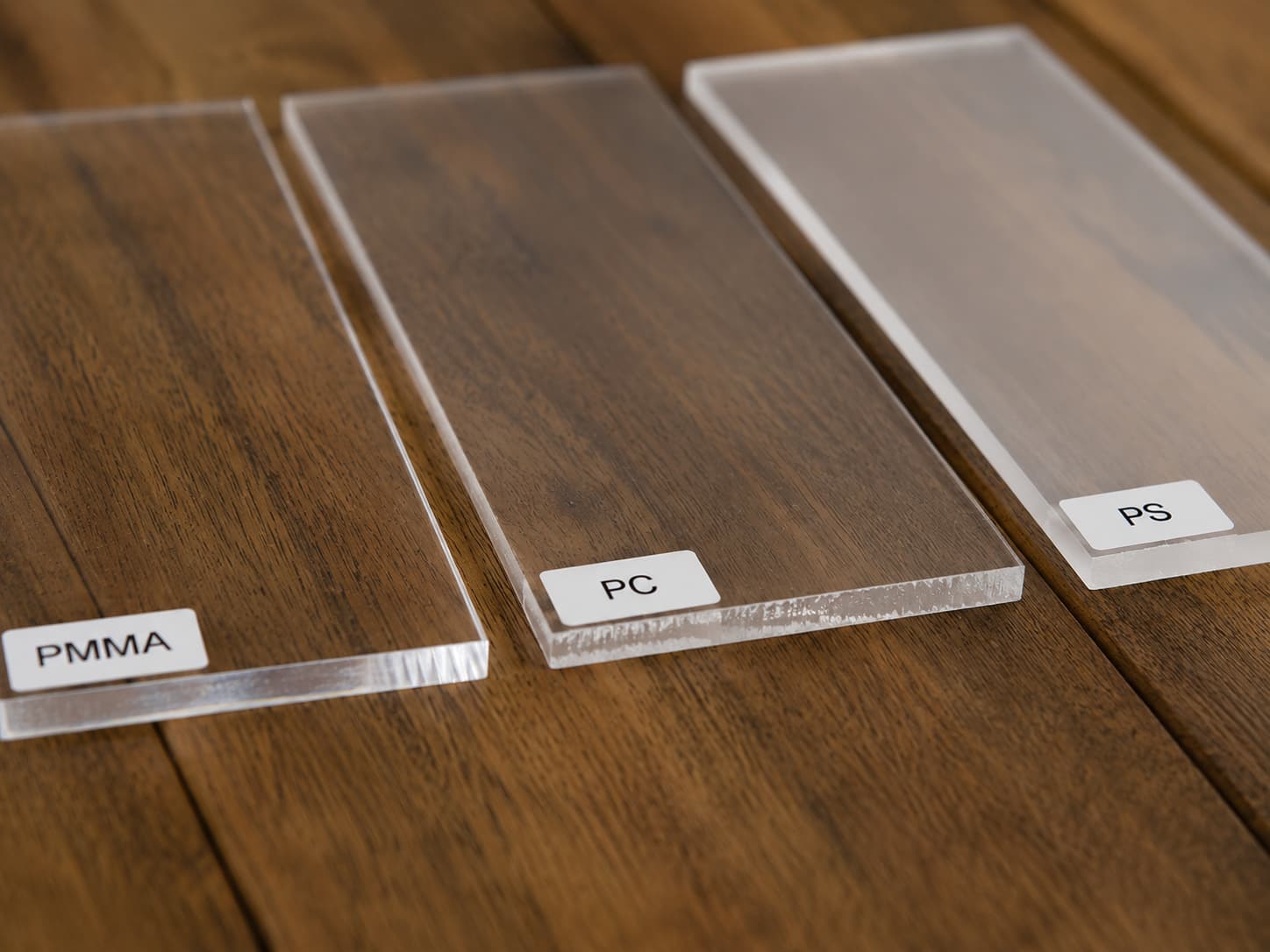
MATERIAL ID + B2B SELECTION GUIDE
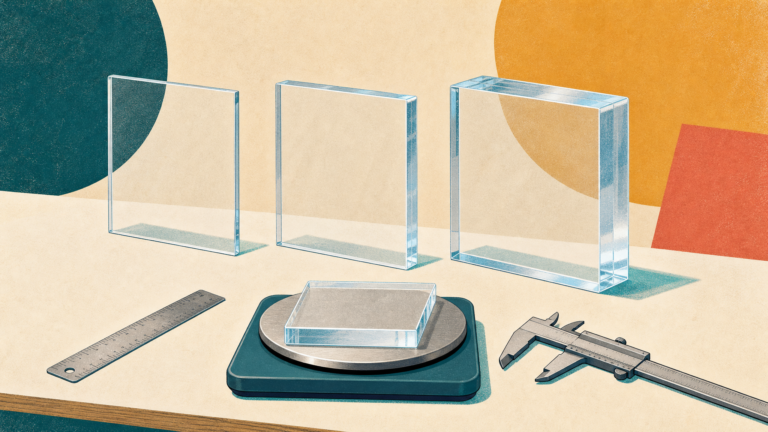
Three clear sheets. Three very different jobs.
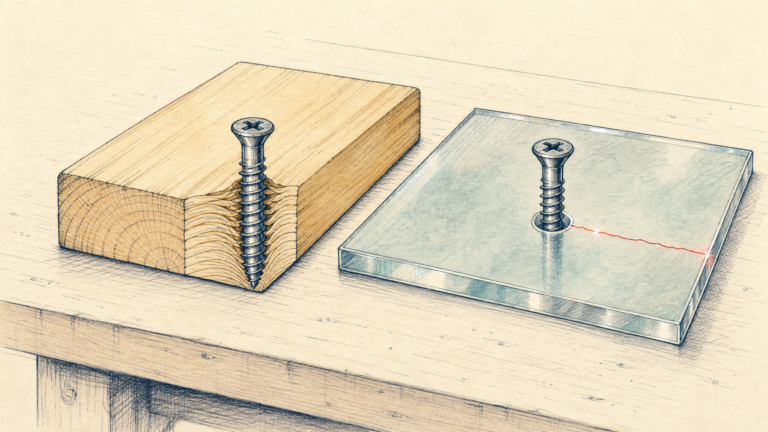
PMMA vs PC vs PS can seem like a simple transparent-plastic comparison at first. The differences show up when the sheet is cut, drilled, polished, formed, installed, or asked to survive the real application.
Same first glance.
Different processing fingerprints.
QUICK BUYER DECISION
Choose by what the finished part must do—not by how similar the raw sheets look.
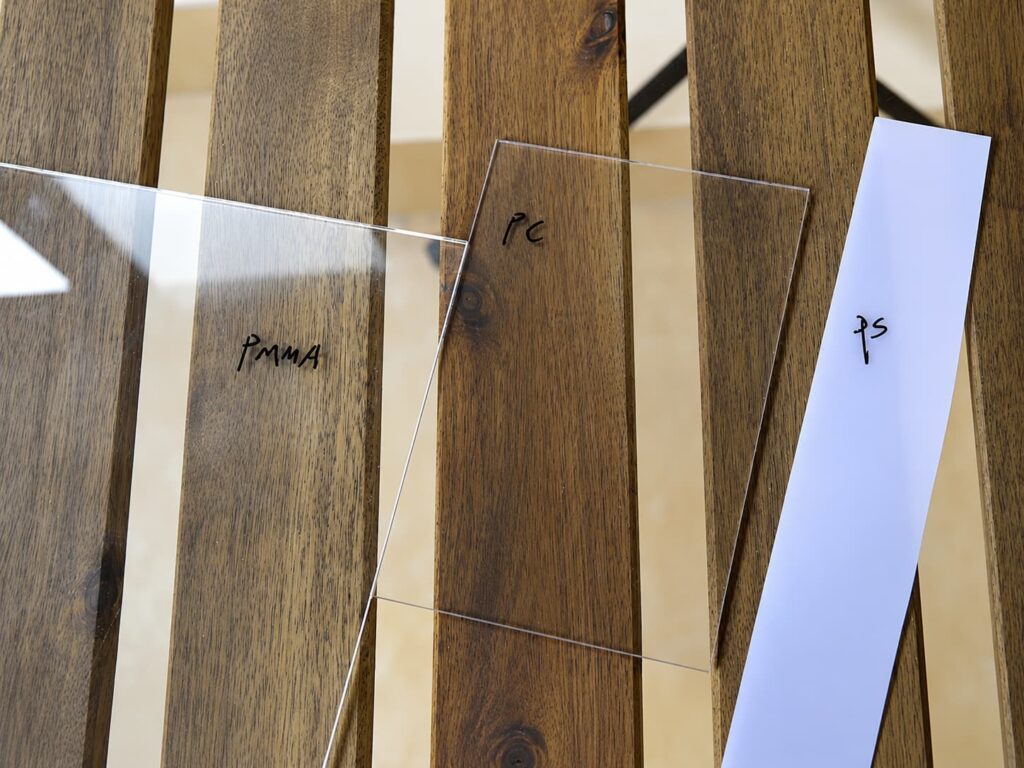
Three transparent sheets walk into a workshop. From across the table, they may look almost interchangeable. Put them through a laser, router, drill, bend, polish, or real service environment, and the family resemblance starts to disappear.
That is why a B2B buyer should not ask only, “Which plastic is better?” The more useful question is: What must the finished part look like, how will it be fabricated, and what must it withstand?
PMMA vs PC vs PS: What Actually Changes?
PMMA is polymethyl methacrylate—the material commonly called acrylic. Technical information from PLEXIGLAS® describes PMMA solid sheet as a transparent thermoplastic used in display, optical, fabrication, and outdoor applications, with machining, routing, polishing, forming, and laser processing among common fabrication routes.[1]
Polycarbonate is a different thermoplastic family. PALSUN® technical guidance emphasizes high impact strength, thermoforming, machining, and protective or industrial uses, while also distinguishing indoor grades from UV-protected outdoor sheet grades.[2] General-purpose polystyrene (GPPS) is positioned by PLASKOLITE as an economical, easy-to-process sheet for indoor use; its technical data also cautions against long-term open-air use because UV exposure can degrade the material.[3]
| Decision factor | PMMA / Acrylic | PC / Polycarbonate | PS / Polystyrene |
|---|---|---|---|
| What usually drives the choice | Appearance, optical quality, exposed edges, display fabrication | Impact resistance, toughness, protective use | Cost-sensitive indoor use, forming, general-purpose parts |
| Clear-sheet appearance | Strong choice for customer-facing transparent parts | Clear grades are widely available | Clear GPPS grades are available |
| Laser-cut presentation | Commonly a strong fit when edge appearance matters | Requires caution; heat can discolor laser-cut edges | Grade and process should be tested |
| CNC / drilling | Common fabrication route | Common fabrication route | Possible; geometry and process should be reviewed |
| Thermoforming | Common | Common | Common for suitable sheet grades |
| Outdoor use | Common with suitable PMMA grade | Confirm UV-protected sheet grade | General-purpose GPPS is mainly an indoor starting point |
Need a polished, display-quality transparent part? Start with PMMA. Need toughness and impact protection? Start with PC. Need an economical indoor formed part? PS may deserve evaluation.
How to Identify PMMA, PC, and PS Without Guesswork
Appearance can give clues, but it is a weak purchasing specification. ASTM D1003 exists because haze and luminous transmittance are measurable optical properties—not something a buyer should judge only by holding a sheet toward a window.[4]
Check protective-film printing, packaging, batch labels, supplier documents, drawings, or approved material specifications.
A cut or machined edge often tells you more about fabrication behavior than a full clear sheet viewed from the front.
If the material is uncertain, test the actual route you intend to use—laser, CNC, drilling, bending, printing, or finishing—on a small sample.
A protective guard, luxury display stand, light-guide part, and thermoformed insert do not have the same material priorities.
For OEM or repeat orders, supplier confirmation and an approved sample are more reliable than a workshop “looks like acrylic” judgment.
Fabrication Is the Material “Fingerprint” Buyers Often Miss
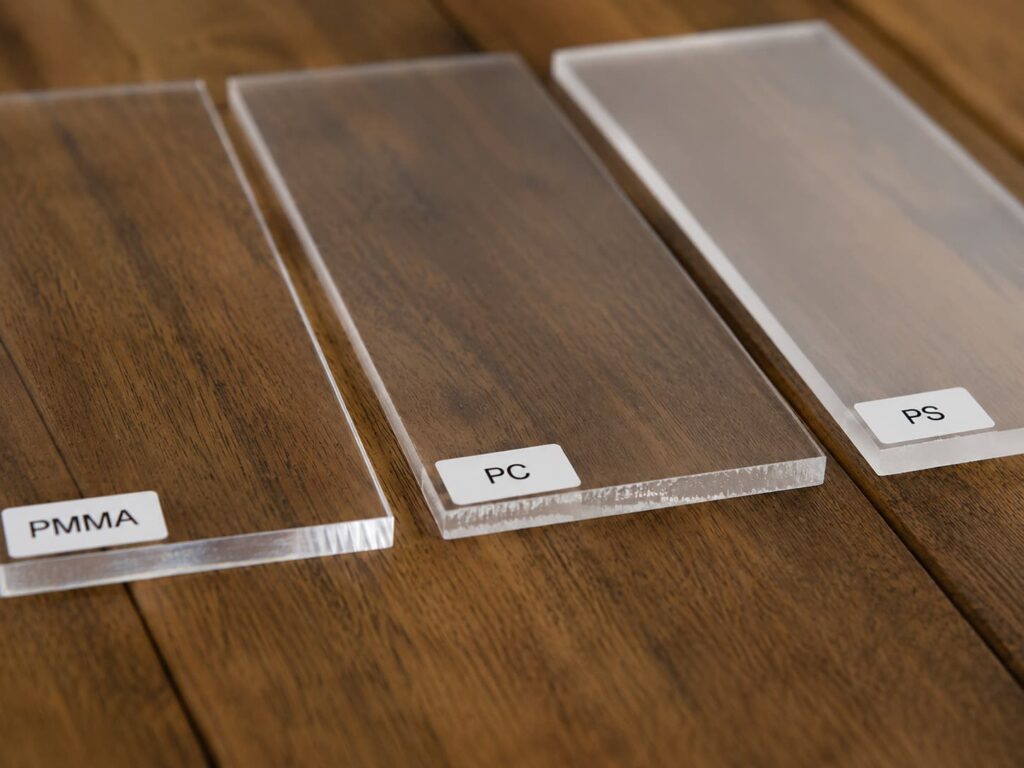
The raw sheet price is only one line in the cost of a finished part. Edge finishing, scrap, routing time, polishing, drilling behavior, forming, and assembly can change the economics quickly.
Laser equipment guidance from Trotec describes acrylic as a strong material for professional CO₂ laser cutting and engraving, with process settings influencing edge quality and repeatability.[5] Epilog notes that thin polycarbonate can be laser cut, but laser heat tends to discolor the material—one reason PC should not be treated as a drop-in substitute for PMMA when a crystal-clear laser edge is part of the design.[6]
Pro Tip: Approve the material after the intended fabrication step—not only as a flat sheet. A buyer who needs polished edges, drilled holes, bends, printing, or bonding should evaluate those features on the sample that will actually be signed off.
For deeper process planning, see our guides to acrylic sheets for laser cutting, acrylic CNC machining, and cast vs extruded acrylic sheets.
Choose by the Finished Job, Not by a Material Ranking
There is no universal winner. A display case and a machine guard can both be transparent, yet they solve different problems. The matrix below is a starting point for supplier discussion—not a substitute for the project drawing or engineering requirements.
| Application | Material to evaluate first | Why | What still needs confirmation |
|---|---|---|---|
| Premium retail display | PMMA | Optical appearance and edge finishing | Thickness, scratch exposure, polishing, assembly |
| POS / POP component | PMMA or PS | Balance appearance, forming, process, and cost | Geometry, production volume, customer-facing finish |
| Cosmetic / jewelry display | PMMA | Clarity and appearance-critical surfaces | Edge finish, bonding, masking, packaging |
| Transparent machine guard | PC | Impact performance is often a key requirement | Safety specification, thickness, mounting, coating |
| Laser-cut transparent part | PMMA | Laser processing and visual edge quality | Cast vs extruded, thickness, tolerance, engraving |
| Indoor formed insert / panel | PS, PMMA, or PC | Forming behavior and target cost vary by design | Draw depth, finish, strength, temperature, quantity |
| Outdoor transparent component | Suitable PMMA or UV-protected PC | Outdoor exposure changes the material requirement | Grade, UV exposure, weathering, mounting |
LOOKS LIKE THE SAME PROBLEM “I need a clear plastic panel.”
ACTUALLY FOUR DIFFERENT QUESTIONS Is it a display face, a guard, a laser-cut component, or an indoor formed part?
Five Buyer Mistakes That Cost More Than the Sheet
- 01“It is clear, so it is basically the same material.”
Transparency is an appearance condition, not a complete performance specification.
- 02Confusing toughness with surface hardness.
A material can resist impact well and still need separate consideration for scratching, coating, or customer-facing finish.
- 03Choosing the sheet before choosing the process.
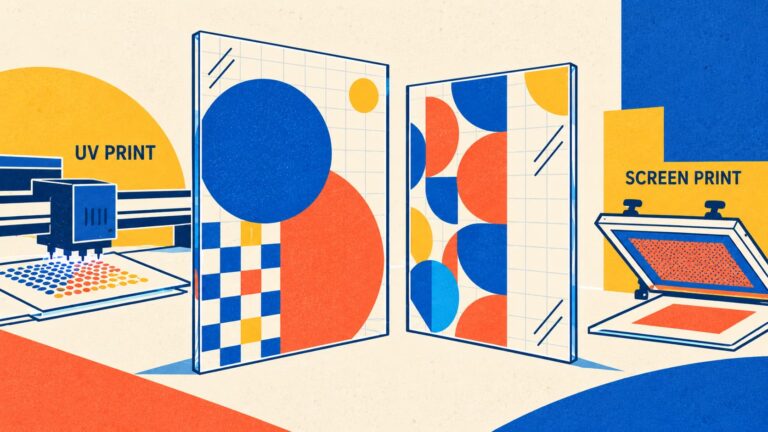
Laser cutting, CNC routing, drilling, thermoforming, polishing, printing, and bonding can change the practical material choice.
- 04Comparing only raw sheet price.
Finished-part cost also includes cutting, finishing, scrap, handling, assembly, inspection, and packaging.
- 05Approving a flat sample for a fabricated product.
When appearance matters, approve the edge, bend, joint, print, or finished geometry that the customer will actually see.
MATERIAL + PROCESS REVIEW
Already leaning toward PMMA?
Send the drawing, dimensions, thickness, quantity, edge requirement, and intended fabrication method. Grandview Acrylic can review whether the acrylic grade and processing route fit the finished part you are trying to make.
What to Prepare Before Requesting a Material or Fabrication Quote
Application
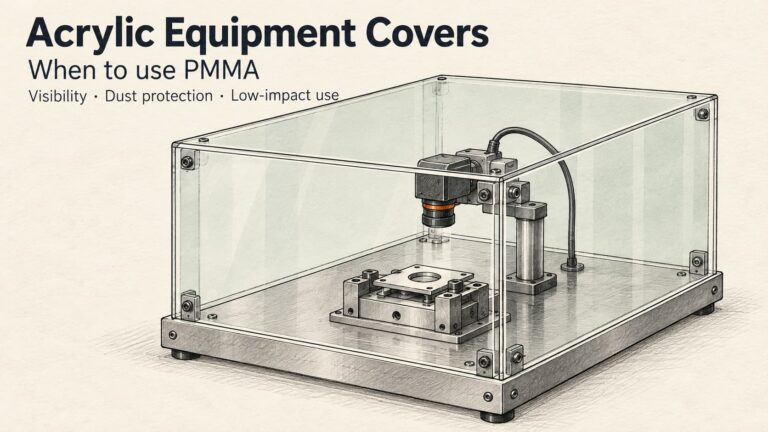
Display, guard, cover, formed part, optical component, or OEM part
Material status
Specified PMMA, open material choice, or unknown sample to be matched
Dimensions
Thickness, overall size, geometry, holes, slots, and exposed edges
Fabrication
Laser, CNC, drilling, polishing, bending, printing, bonding, or assembly
Appearance
Clarity, color, surface, edge finish, masking, and critical faces
Environment
Indoor or outdoor, impact exposure, cleaning, lighting, and mounting conditions
Production
Prototype or bulk quantity, tolerance needs, sample approval, repeat-order expectations
Commercial details
Packaging form, delivery destination, and whether you need whole sheets or finished parts
FAQ
Is PMMA the same as acrylic?
Yes. PMMA is polymethyl methacrylate, the polymer commonly referred to as acrylic or acrylic glass.
Which is better, PMMA or polycarbonate?
Neither is universally better. PMMA is often chosen for optical appearance, display-quality finishing, and laser-cut presentation; PC is often evaluated when impact resistance and protective performance are more important.
Can PMMA and PC both be laser cut?
PMMA is widely used for CO₂ laser fabrication. Thin PC can be laser cut in some systems, but heat-related discoloration is a known issue, so the actual PC grade, thickness, machine, and edge requirement should be tested before production.
Can PS replace acrylic in a display project?
Sometimes, but not automatically. GPPS can be useful for suitable indoor, cost-sensitive, or formed components. Compare appearance, impact requirements, fabrication route, outdoor exposure, and finished-part expectations before substituting it for PMMA.
How should a buyer identify an unknown clear sheet?
Start with protective-film markings, labels, supplier documentation, and the original specification. If those are unavailable, use controlled fabrication samples and supplier confirmation rather than relying on appearance or an informal burn test.
What should I send Grandview Acrylic for a custom PMMA project?
Send the application, drawing or CAD file, thickness, dimensions, quantity, required edge or surface finish, fabrication method, indoor/outdoor condition, packaging requirement, and destination.
Conclusion: Identify Less, Specify Better
PMMA, PC, and PS can all appear as clear plastic sheet, but they should not be treated as interchangeable materials. The useful sequence is simple: define the finished job → confirm the fabrication route → evaluate the material → approve the fabricated sample.
If the project points toward PMMA, Grandview Acrylic supports international B2B buyers with acrylic sheet supply and drawing-based custom fabrication for displays, POS components, fixtures, transparent covers, signage parts, and OEM projects. Send your project details when you are ready to move from “which plastic?” to a buildable material specification.
FROM MATERIAL QUESTION TO BUILDABLE PART
Have a drawing, sample, or clear-plastic part you need to manufacture?
Share the application, thickness, dimensions, quantity, finish, fabrication method, and destination. We can review the PMMA sheet and fabrication route that fits the project.
Submit Your Project DetailsTechnical References
References are limited to material manufacturers, standards bodies, and processing-equipment technical guidance. Values and statements remain grade- and project-specific unless a product data sheet says otherwise.
- Röhm / PLEXIGLAS® — GS/XT Solid Sheet & Processing Guidance
PMMA material identity, UV/weathering context, and fabrication routes including cutting, drilling, forming, polishing, and bonding. Material source · Processing source
- Palram — PALSUN® Flat Solid Polycarbonate Technical Guide
Polycarbonate impact performance, indoor/outdoor grade distinctions, machining, forming, and fabrication guidance. View source
- PLASKOLITE — Extruded General Purpose Polystyrene (GPPS) Product Data
GPPS sheet forms, indoor-use positioning, processing, and weathering limitations for general-purpose polystyrene. View source
- ASTM International — ASTM D1003
Standard test method for haze and luminous transmittance of transparent plastics. View source
- Trotec Laser — Professional Acrylic Laser Processing Guidance
CO₂ laser cutting and engraving of acrylic, including material selection and process factors affecting edge quality. View source
- Epilog Laser — Polycarbonate Laser Cutting FAQ
Technical note that thin polycarbonate can be CO₂ laser cut but may discolor from laser heat. View source
Project note: PMMA, PC, and PS performance varies by grade, thickness, formulation, surface treatment, fabrication method, geometry, and environment. Confirm the supplier data sheet, drawing requirements, and an approved sample before mass production.